Dayton, Ohio drain cleaning
Drain cleaning in Dayton,cause first, then clear
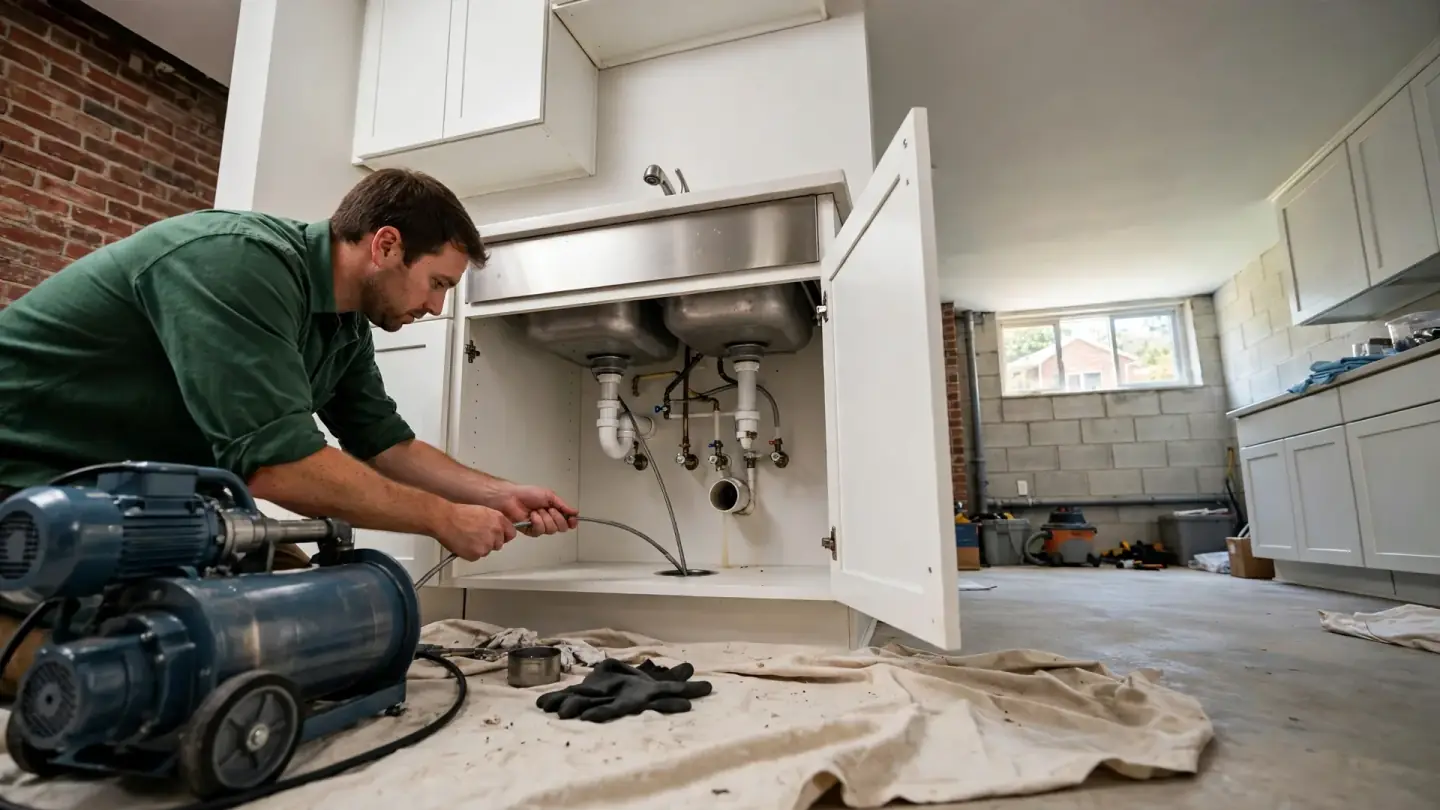
A drain that keeps backing up has a reason. Call, describe what the drain is doing, and you are connected on that same call with an independent local drain contractor who can talk through the likely cause, clear the line and, where a camera is used, show you the footage of what was in the pipe.
Before and after
See the difference a cleared line makes
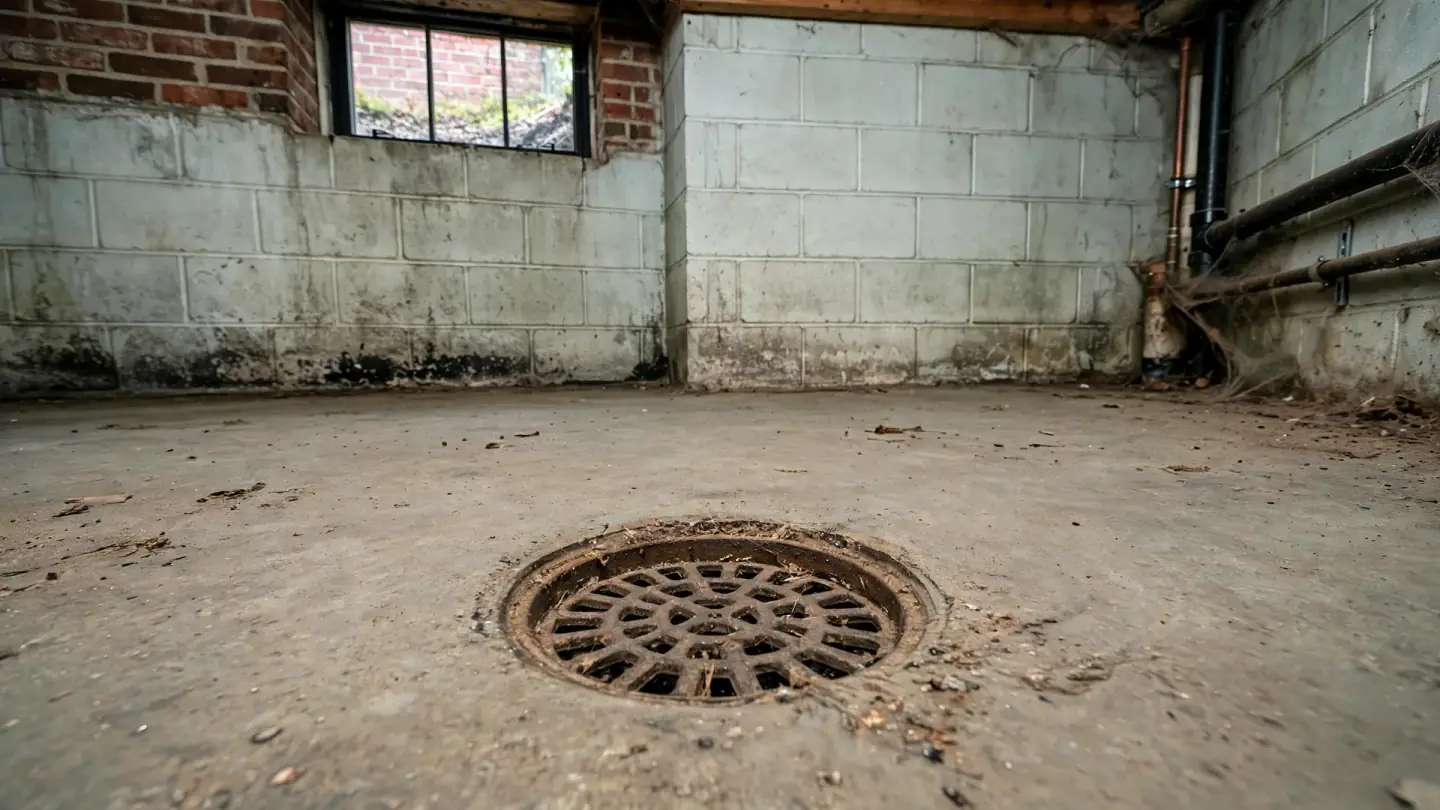
Illustrative examples of drain problems Dayton homes call about, shown before and after cleaning. Drag the handle on each photo to compare.
 BeforeAfter
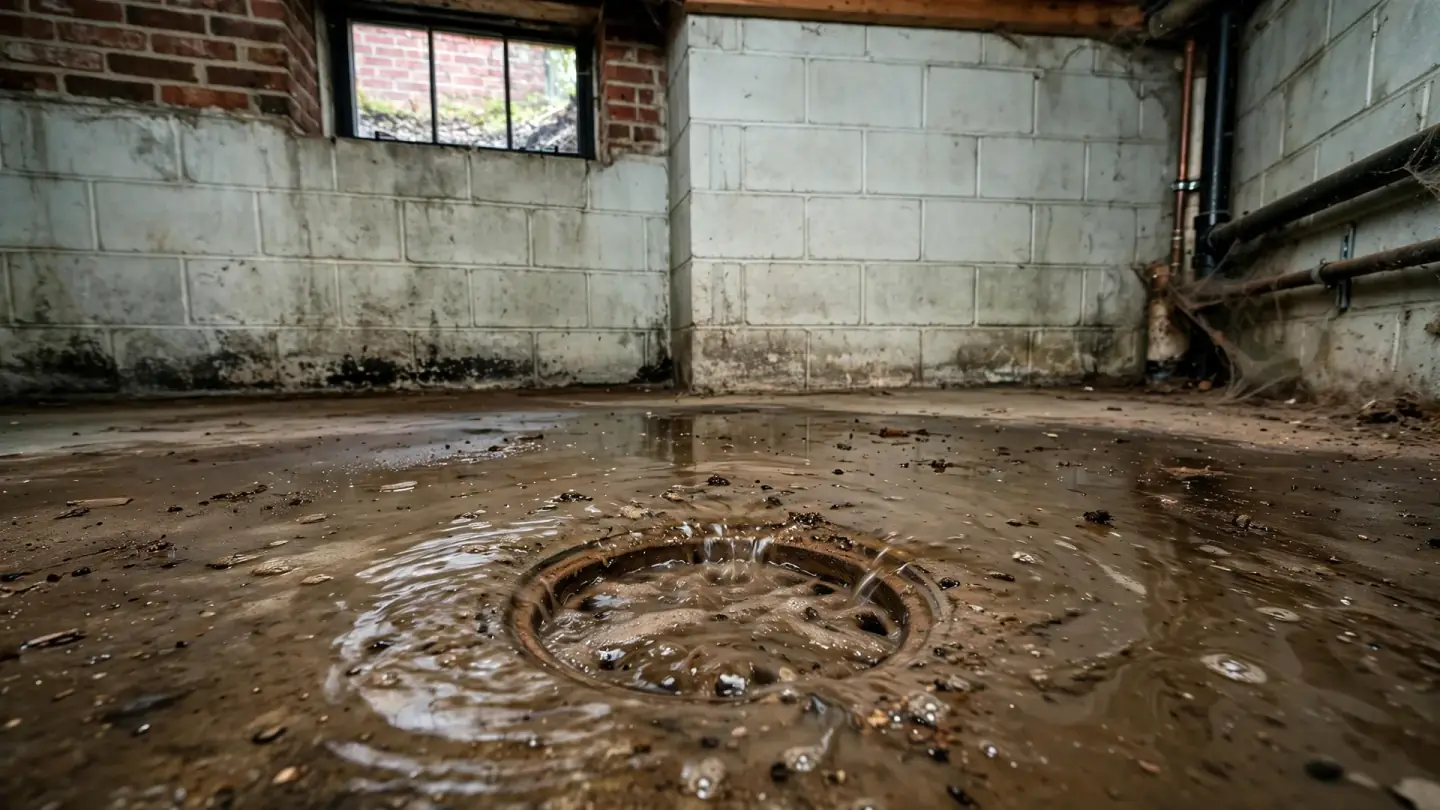
Basement floor drain overflowing
 BeforeAfter
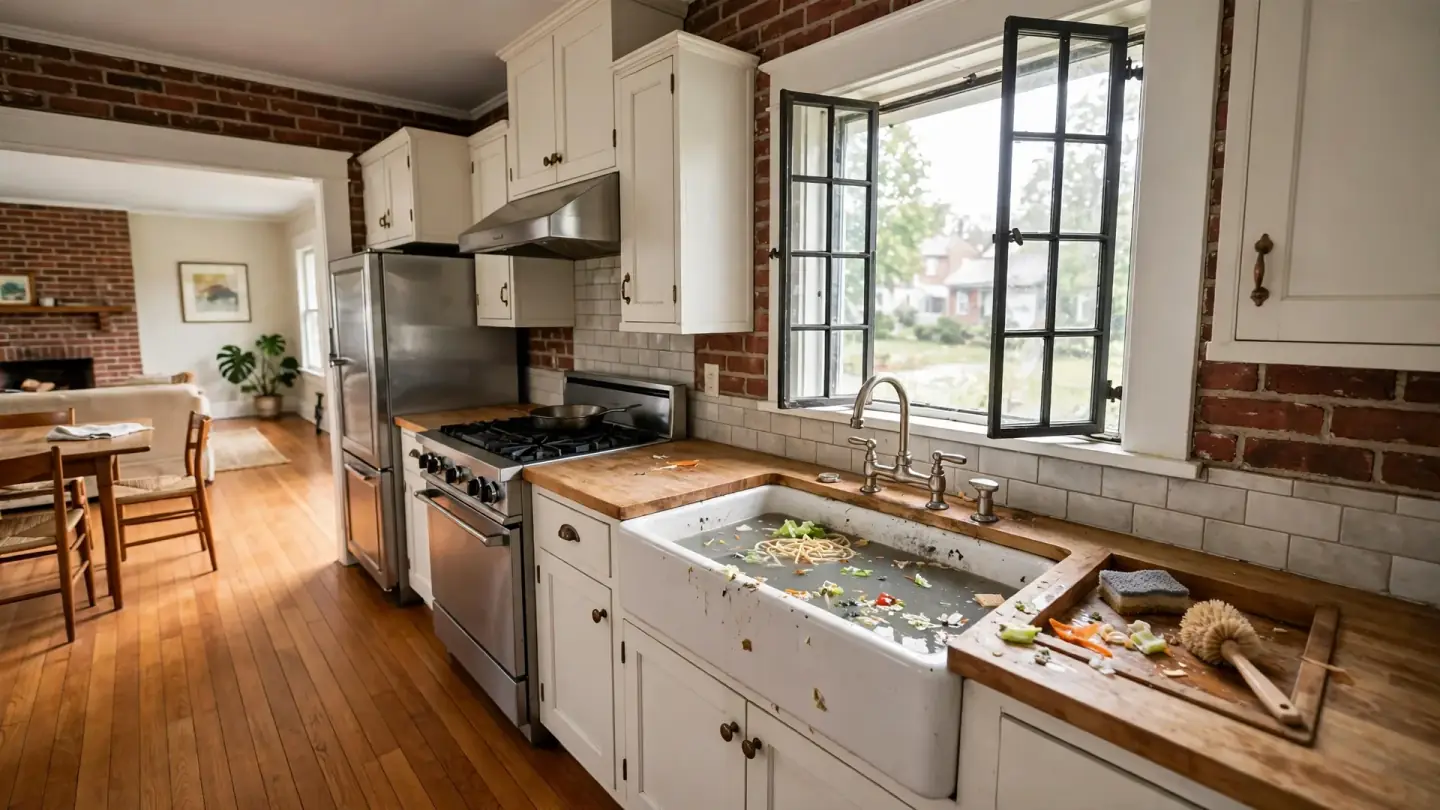
Kitchen sink holding water
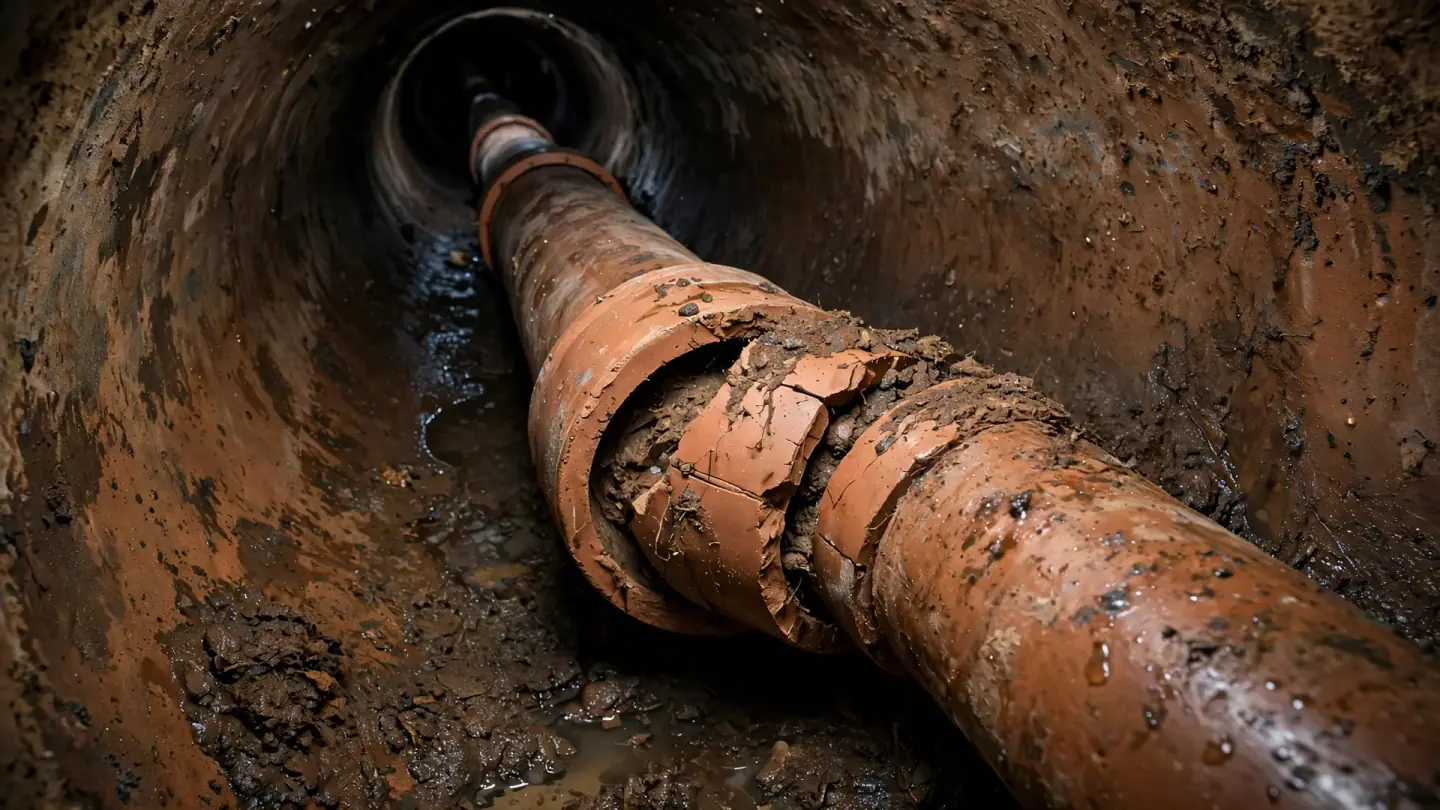 BeforeAfter
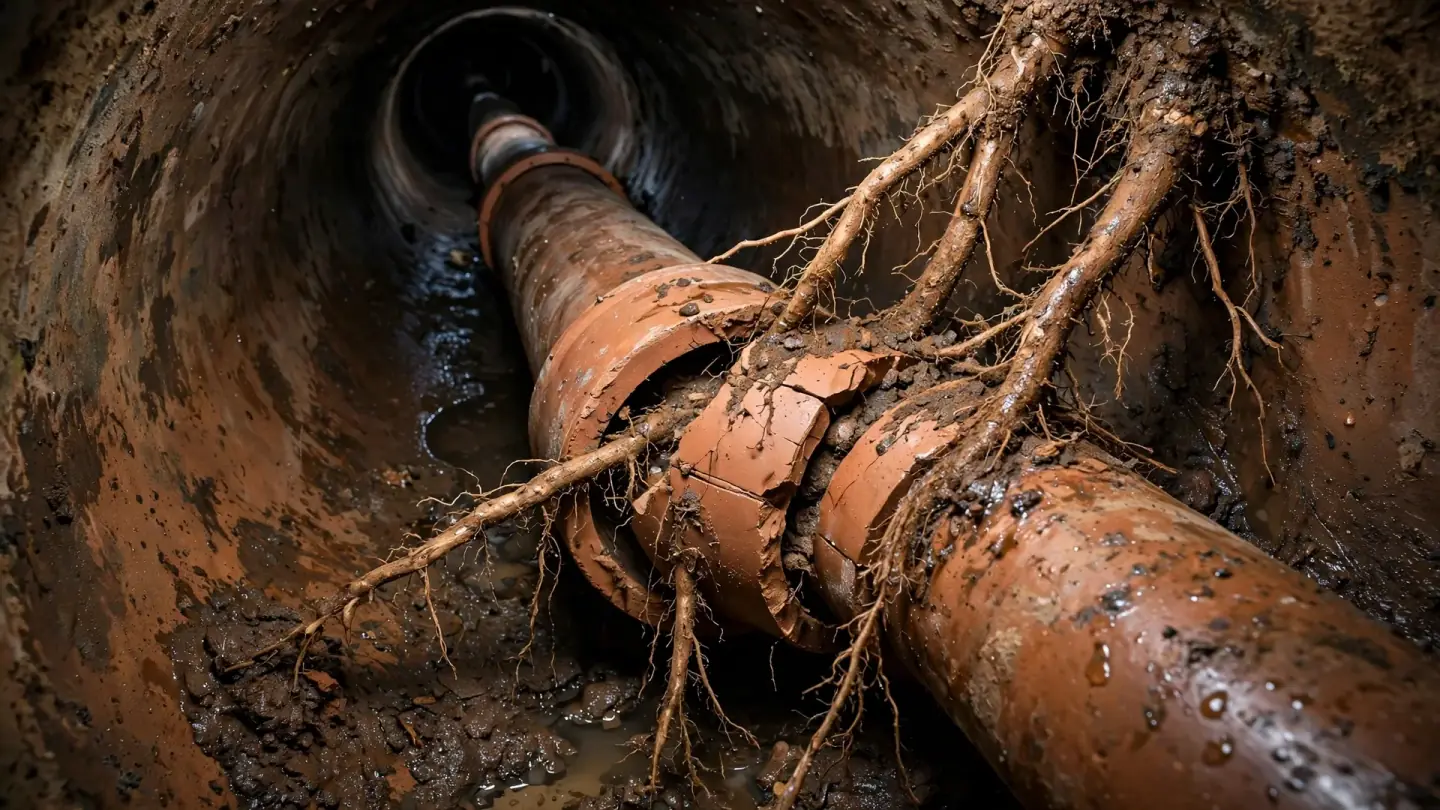
Roots inside the sewer lateral
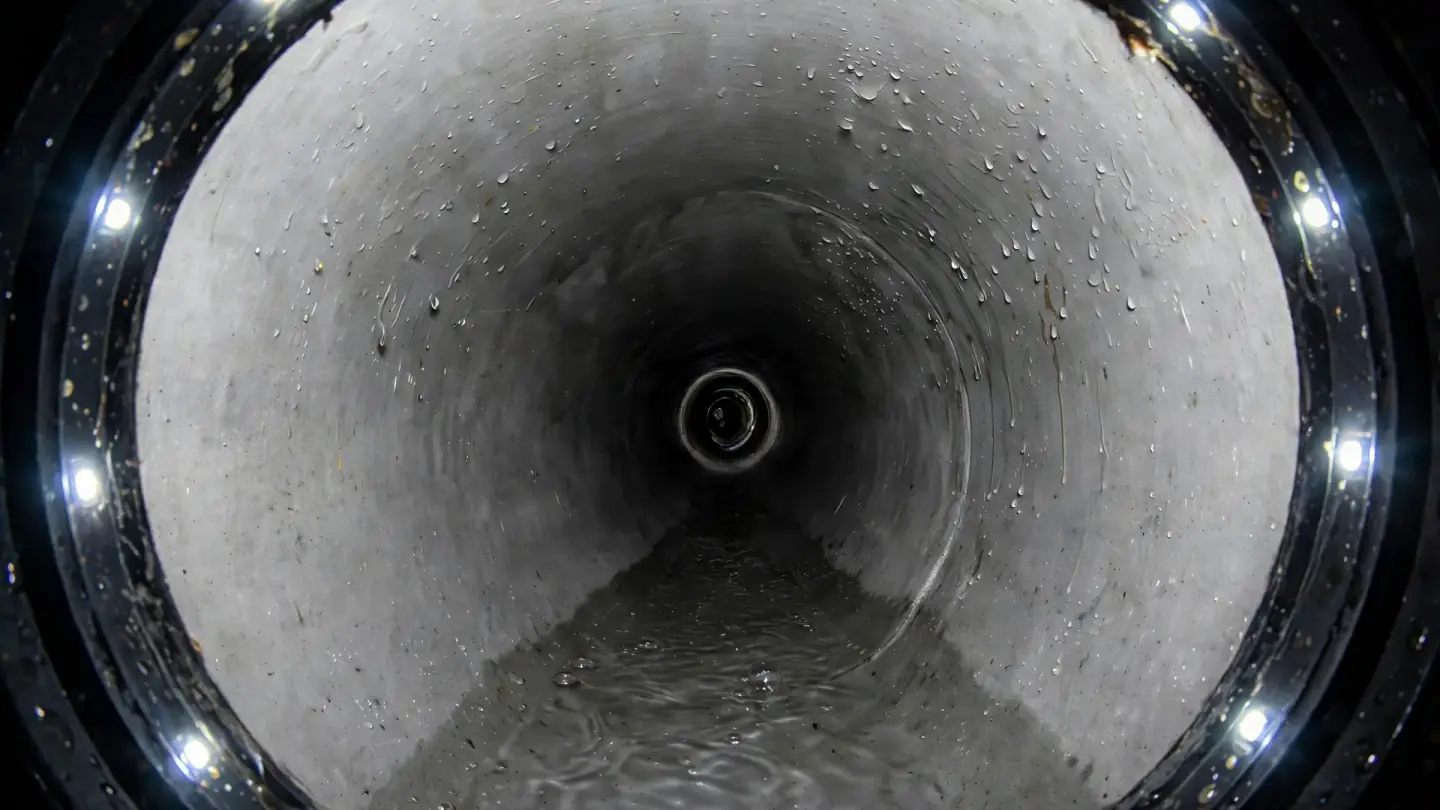 BeforeAfter
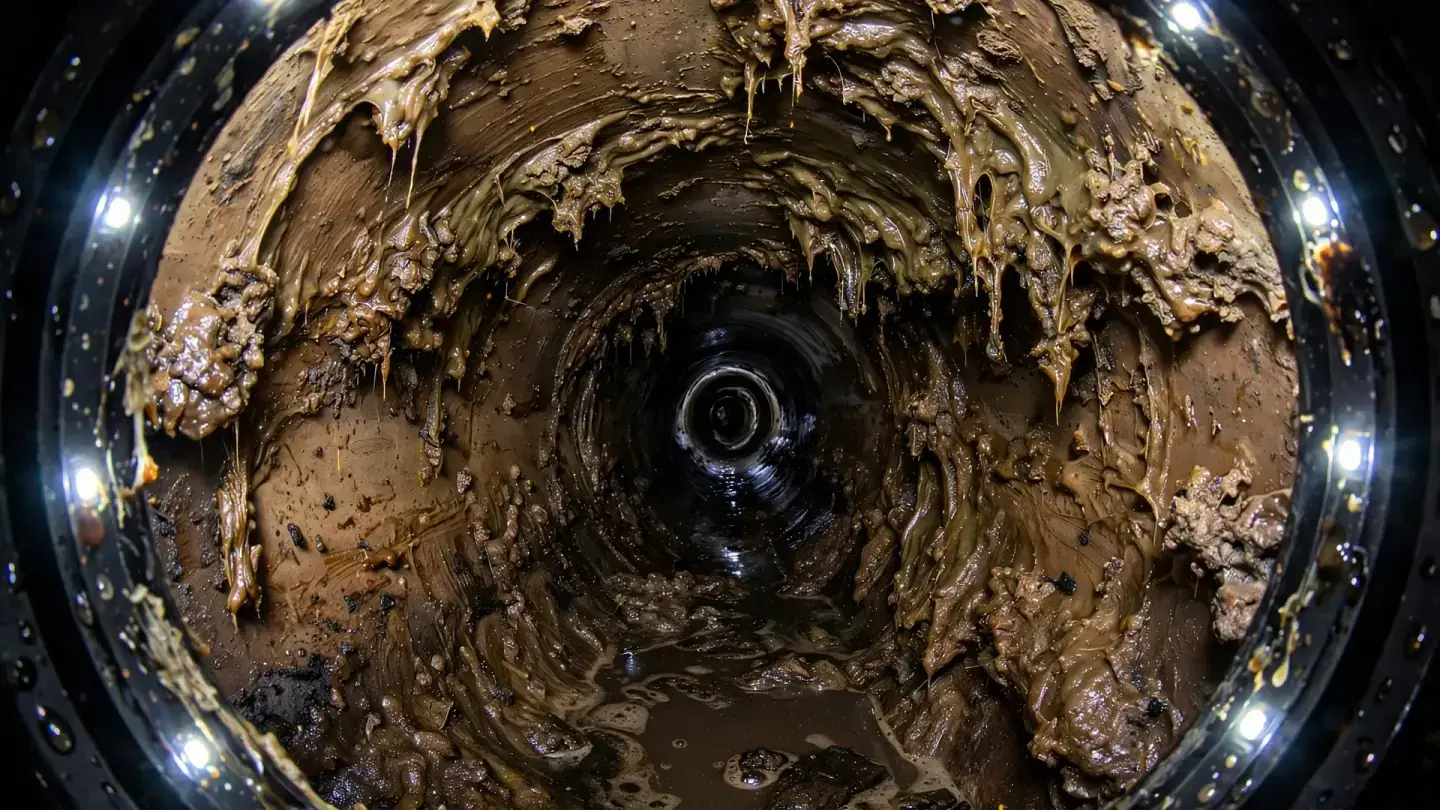
Grease narrowing a drain line
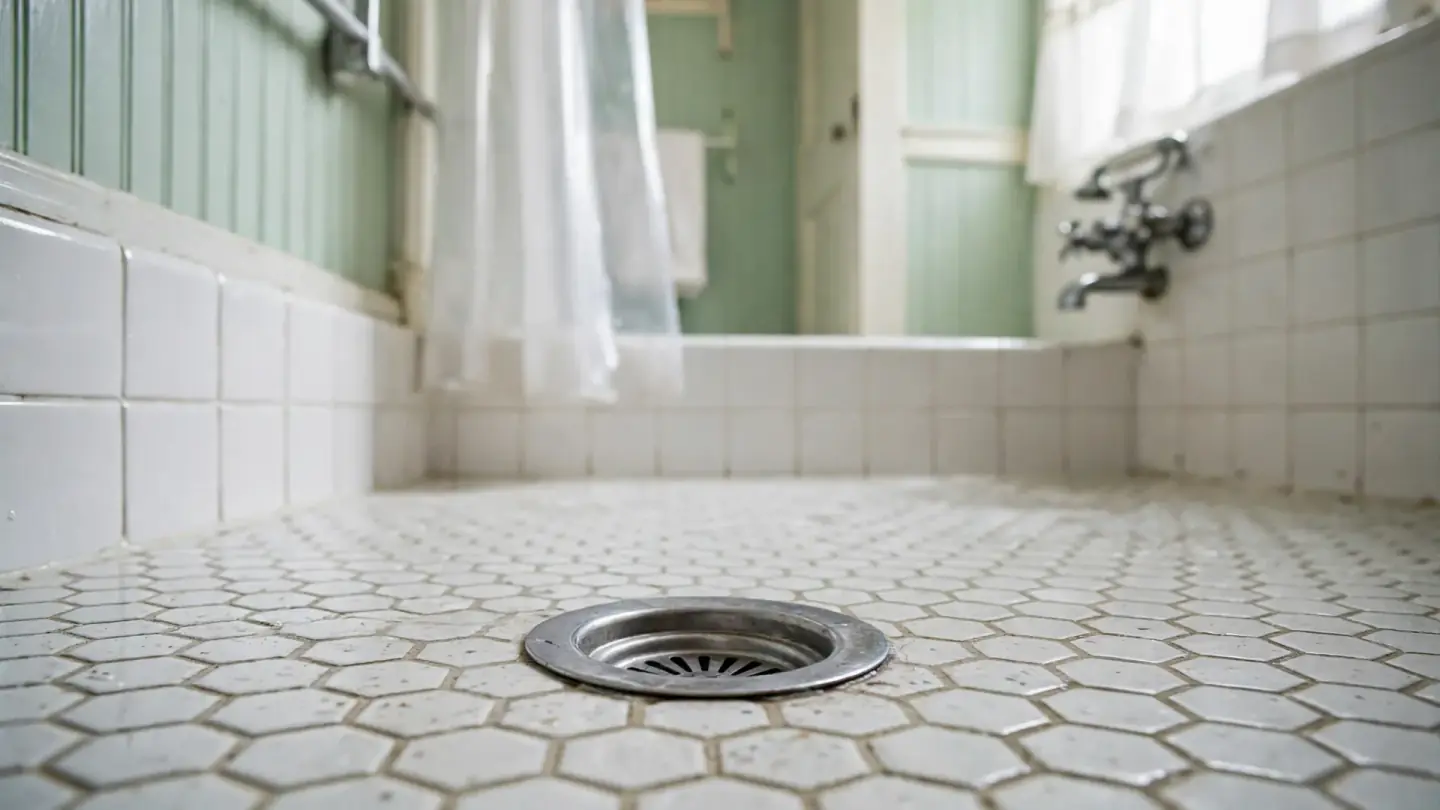 BeforeAfter
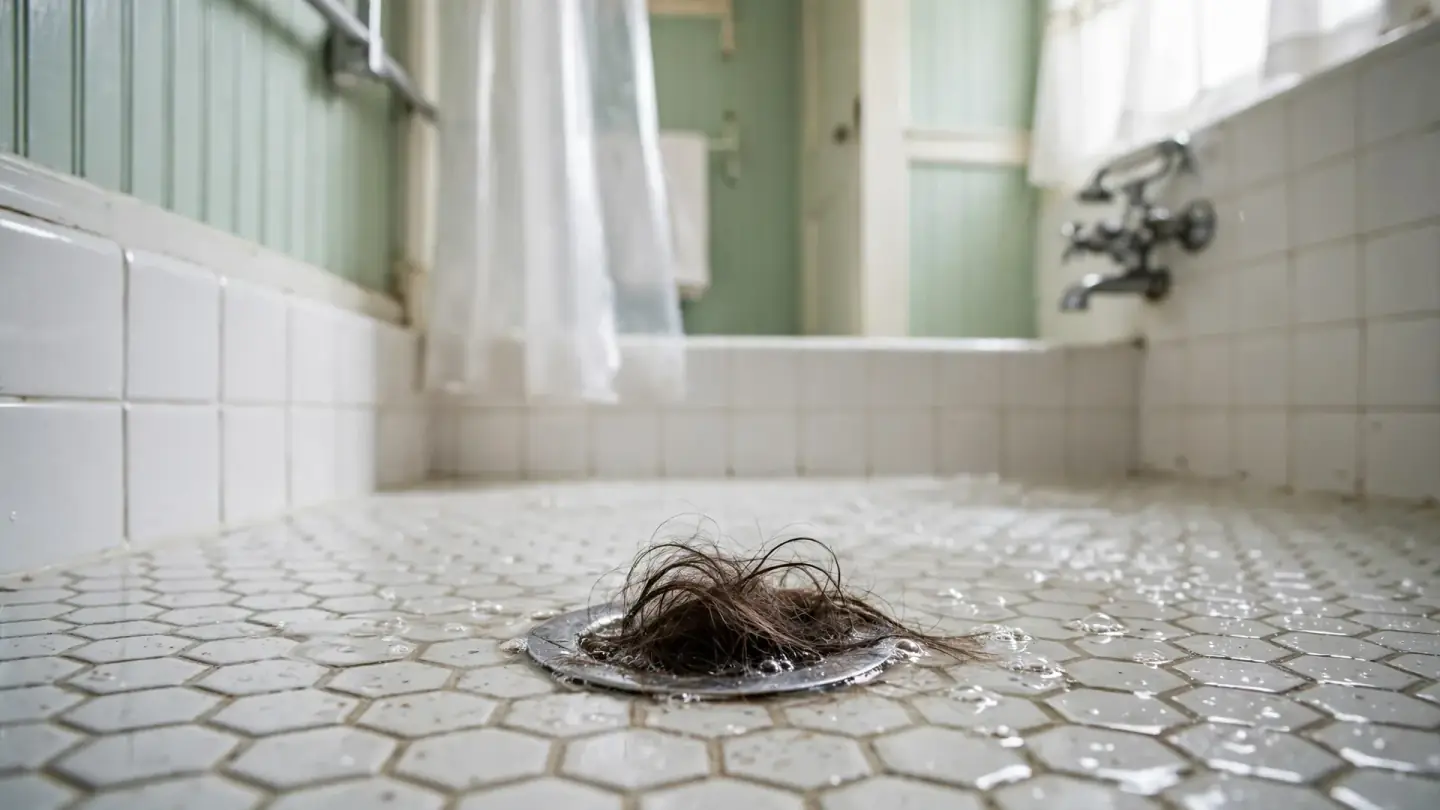
Shower that pools at your feet
 BeforeAfter
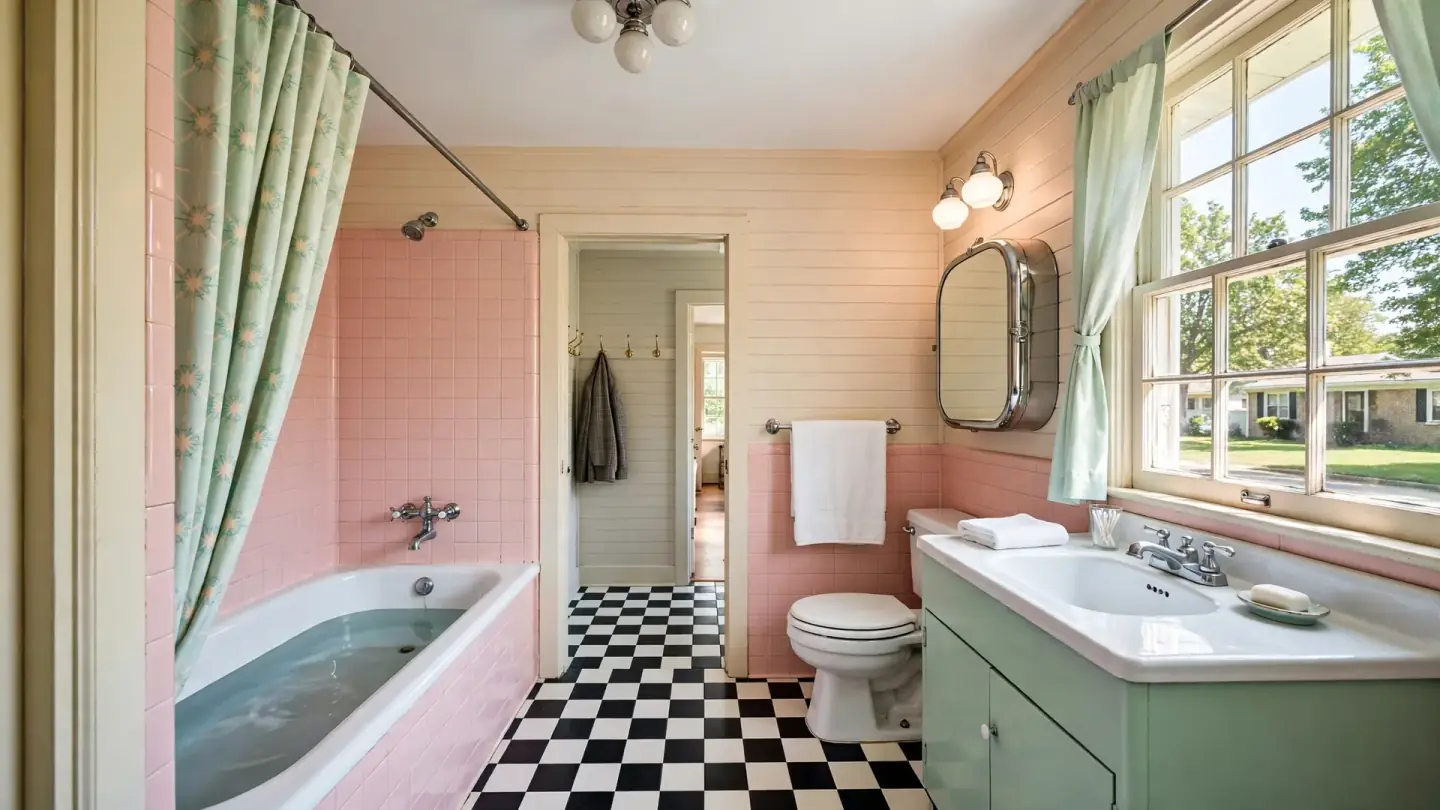
Tub draining at a crawl
Which Dayton drain problem do you have?
- Basement drain backing upWater rising at the floor drain, often after rain or laundry.
- Toilet and tub back up togetherA sign the blockage is past both fixtures, usually in the main.
- Kitchen sink is slow or stoppedGrease and food solids building in the kitchen branch line.
- Drains gurgle or burpAir being pulled through traps by a partial blockage or vent issue.
- Lines froze in a cold snapExposed or exterior-wall drains that stop during Ohio winters.
- Sewage is coming up nowStop using water in the house and check emergency availability.
Key facts: Drain cleaning in Dayton,
- In Dayton upkeep of the house's own sewer connection, out to where it joins the street sewer, falls to the owner; the City's Division of Sewer Maintenance looks after the main itself [1].
- Dayton keeps sanitary and storm sewers separate: storm water goes to rivers and streams, sanitary flow goes to the treatment plant [1].
- Dayton's water comes from the Great Miami River Buried Valley Aquifer and is lime-softened at the Miami and Ottawa plants before it reaches the tap [2].
- January in Dayton averages a low of about 22°F, cold enough to freeze exposed or shallow drain lines during long cold spells [4].
If it is backing up now
Backing up right now? Do these four things first
Emergency drain problems get worse with every gallon that goes down the house drains. Stop the water first, then call to check emergency availability. The contractor you're connected with will tell you on the call what they can do and when; nobody can promise an arrival time before that conversation.
Right away
Stop using every sink, toilet, shower, dishwasher and washer. On a blocked main they all drain to the same place.
Next
Keep children and pets away from sewage. Stay out of standing water near outlets, a furnace or a water heater.
Don't
Pour chemical openers into a backed-up line, mix products, or open a full cleanout cap. It can release sewage under pressure.
Then call
Describe what backed up and where. Ask about emergency availability; the contractor tells you on the call what they can do.
Three steps
How a Dayton drain call goes, start to finish
No forms, no waiting for a callback. The whole point is to get you talking to someone who clears drains for a living, quickly.
- 1
Call and describe the symptom
Say which drain, what it does and when it started: the basement floor drain bubbles when the washer empties, the kitchen sink holds water, the toilet and tub back up together. That description narrows the cause more than anything else. Your call is connected to an independent local contractor who speaks with you on that call.
- 2
Find the cause before the cable goes in
The contractor you're connected with works out whether it is one fixture, one branch or the main line, because the right tool depends on it. A hair clog in a lavatory trap and a root mass in a clay lateral need completely different equipment, and treating the wrong one just buys a few days.
- 3
Clear it, then show you
Once the line is open, a camera run can confirm what was in it and whether the pipe itself is sound. Ask for the footage. A recording of roots at a joint or a sag holding water is the evidence you need before deciding on anything bigger than a cleaning.
Diagnostic table
What your drain is telling you: symptom, likely cause, fix
Use this to describe the problem on the call. It is how a contractor sorts a drain problem in the first two minutes.
| What you see | Likely cause | Usual fix |
|---|---|---|
| One sink drains slowly, others are fine | Hair, soap or grease in that fixture's trap or branch | Trap cleaning or a small cable on that branch |
| Toilet and tub back up at the same time | Blockage in the main building drain or the lateral | Main line cleared from a cleanout, then a camera check |
| Basement floor drain overflows when the washer drains | Partial blockage downstream of the floor drain | Clear the main, inspect for roots or sag |
| Floor drain backs up only during heavy rain | Overloaded or blocked main, or downspouts, foundation drains or a sump tied into the sanitary line | Find the source first; the City can check the main |
| Gurgling in sinks or the toilet | Air pulled through traps by a partial blockage or a blocked vent | Locate the restriction; clear the line or vent |
| Sewer smell from an unused basement drain | Dry trap letting sewer gas through | Pour water into the trap; no cleaning needed |
| Same clog returns every few months | Roots, grease build-up or a pipe defect the cable keeps missing | Hydro jetting and a camera inspection |
| Drain stops during a hard freeze | Ice in an exposed or shallow line | Thaw safely; find and protect the cold section |
The dry-trap and heavy-rain causes come from the City of Dayton's own sewer maintenance guidance [1].
Basement drains
Why Dayton basement floor drains get the hardest use
In many Dayton houses the basement floor drain is the lowest opening on the whole system. When anything downstream slows down, that is where water shows up first. The City of Dayton lists the usual reasons a basement floods in heavy rain: an overtaxed or blocked sewer main, or the house's own plumbing, such as downspouts, foundation drains or a sump pump discharging into the sanitary line [1].
Those are very different problems. A blocked main belongs to the City. A blocked lateral belongs to the owner. A sump tied into the sanitary drain is a plumbing correction. The first job is to tell them apart, which is why the floor drain cleaning page and the basement backup after rain guide both start with questions, not a cable.
- Note whether it happens in dry weather too
- Check where the sump pump discharges
- Look for downspouts piped below grade
Services
Drain jobs the contractor you're connected with handles
Each page explains the job, the warning signs and what to expect, so you can describe the problem accurately when you call.
Bathroom Drain Cleaning
Slow vanity sinks and bathroom branch lines in Dayton homes: hair, toothpaste and scale cleared, and venting checked when drains gurgle.
Explore service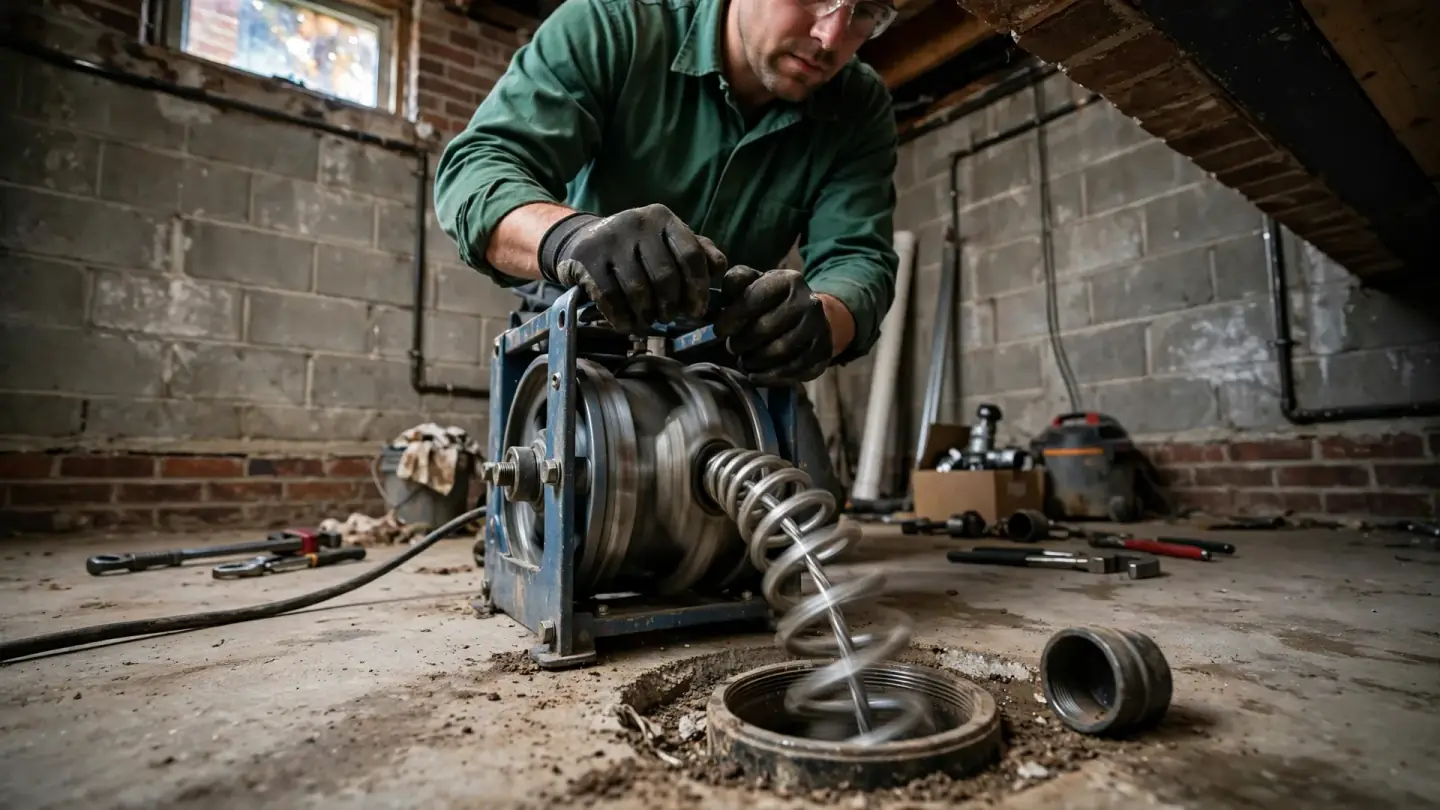
Clogged Drain Repair
Any slow or stopped drain in a Dayton home: the contractor works out which line is blocked, clears it with the right tool and shows you the evidence.
Explore serviceCommercial Drain Cleaning
Restaurant grease lines, multi-unit stacks, shop floor drains and restroom groups cleared, with camera footage for owners and property managers.
Explore service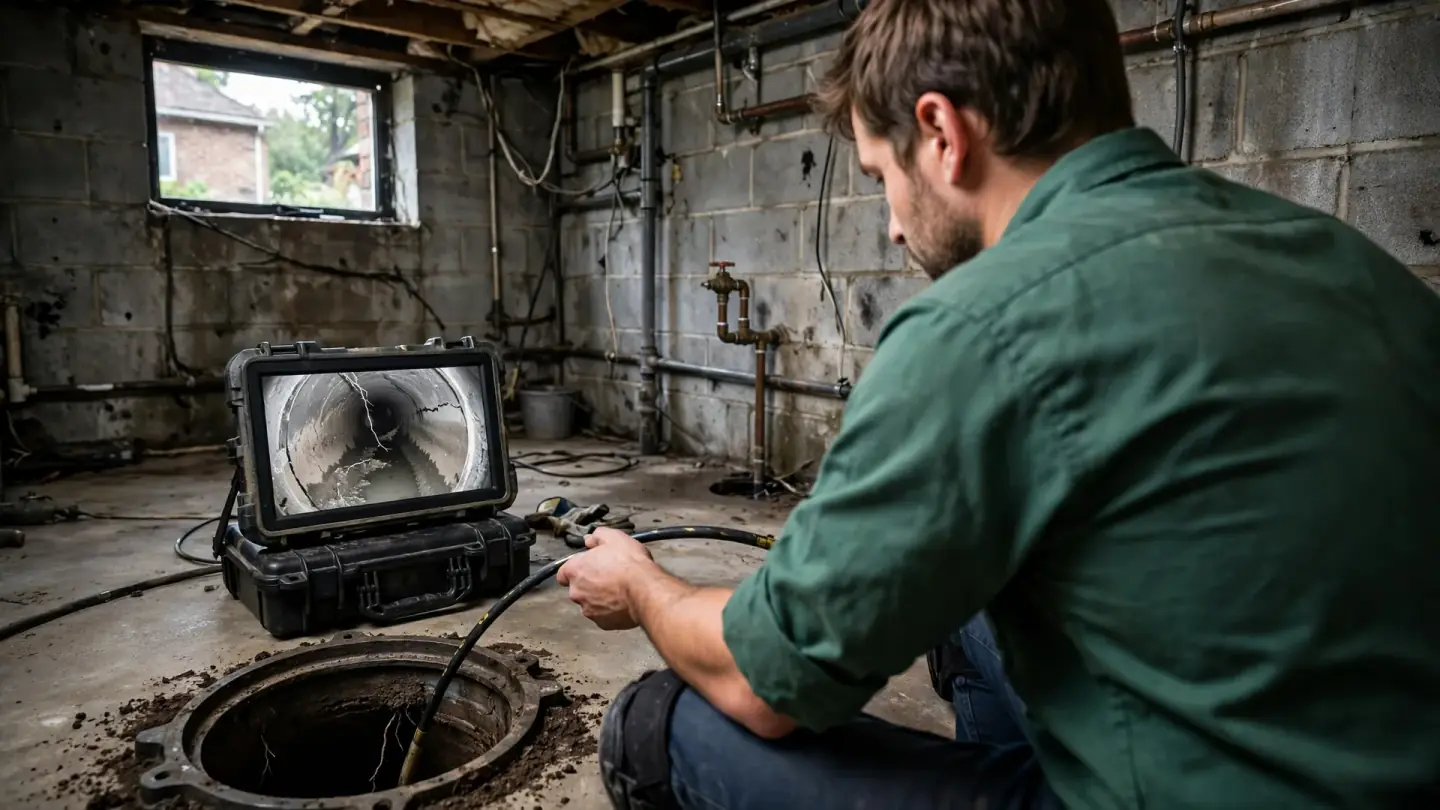
Drain Camera Inspection
A small camera on a flexible cable finds the exact clog inside a sink, tub, laundry or stack branch, and you keep the recording.
Explore service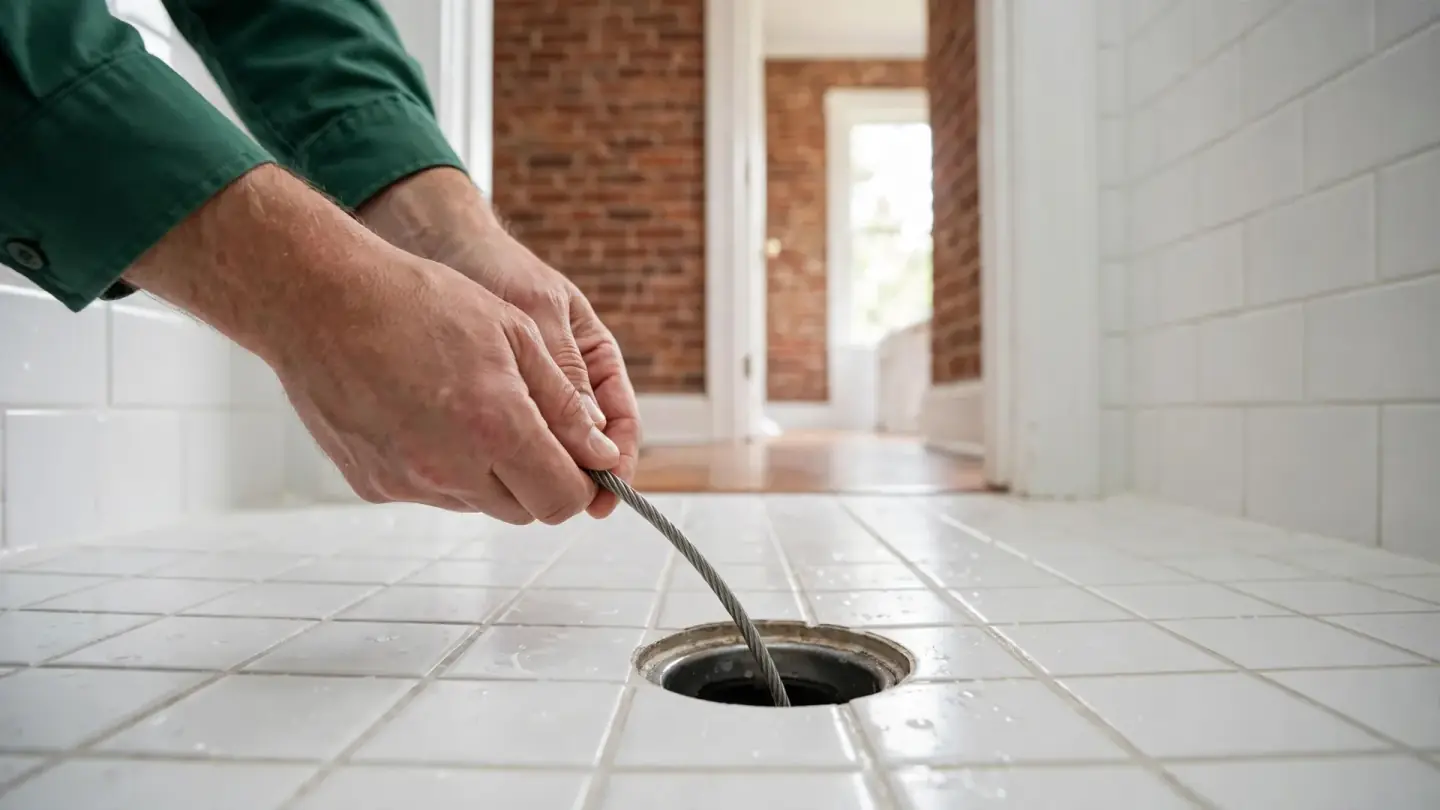
Emergency Bathroom Drain Cleaning
Tub, shower and toilet in one bathroom backing up together or water reaching the floor. Warning signs, safe steps and when to call.
Explore serviceEmergency Clogged Drain Service
A single sink, tub or shower stopped draining before an event or is about to overflow. Confirm the scope and get a contractor on the phone.
Explore serviceEmergency Commercial Drain Cleaning
Restaurant, salon or shop drains backing up during business hours. Protect staff and food areas, handle grease safely, and get a contractor on the phone.
Explore serviceEmergency Drain Cleaning
Not sure which drain emergency you have? Triage the problem, take the safe first steps, and get a local contractor on the phone.
Explore service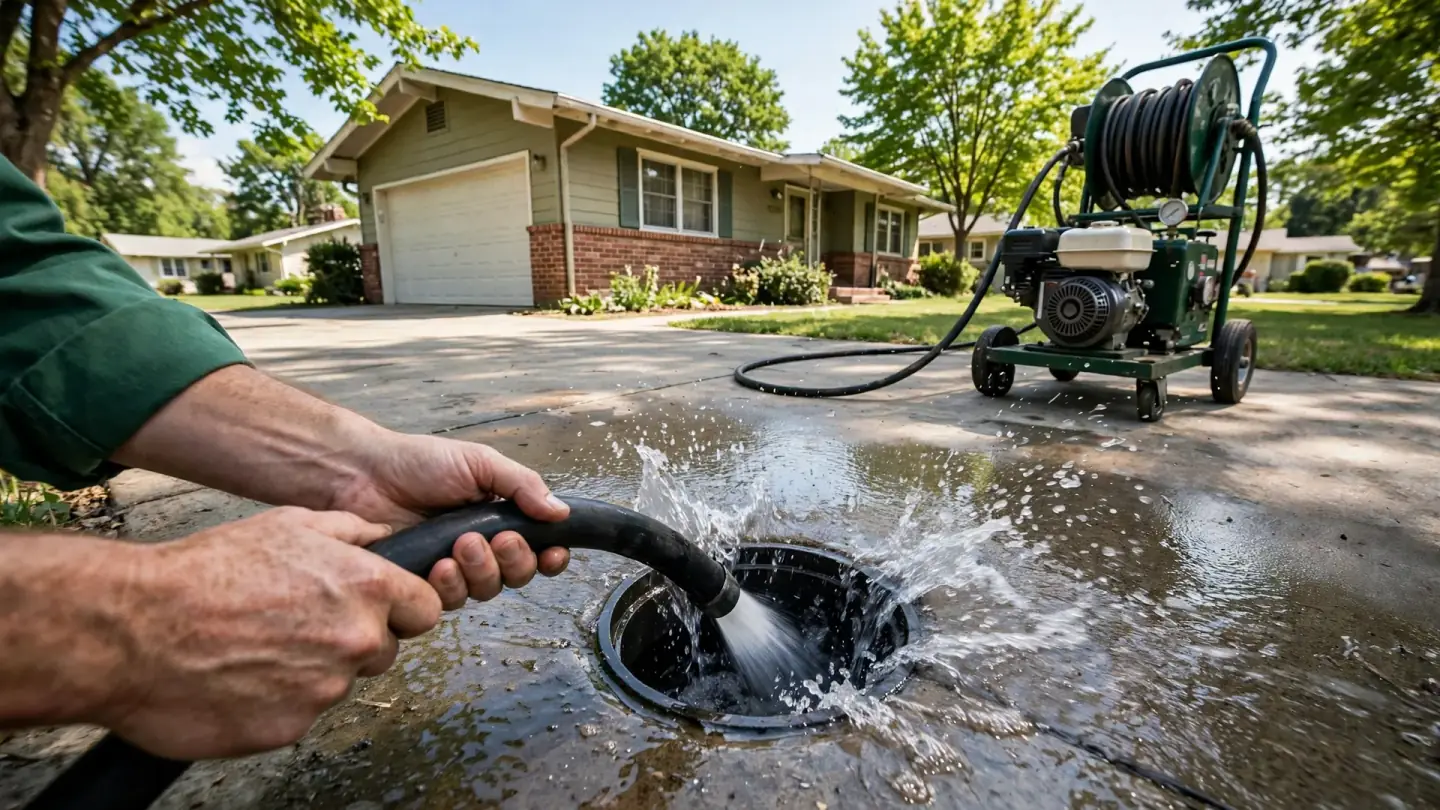
Emergency Hydro Jetting
A line that keeps reclogging after cabling may need urgent jetting. When it is safe, when it is not, and why a camera goes in first.
Explore service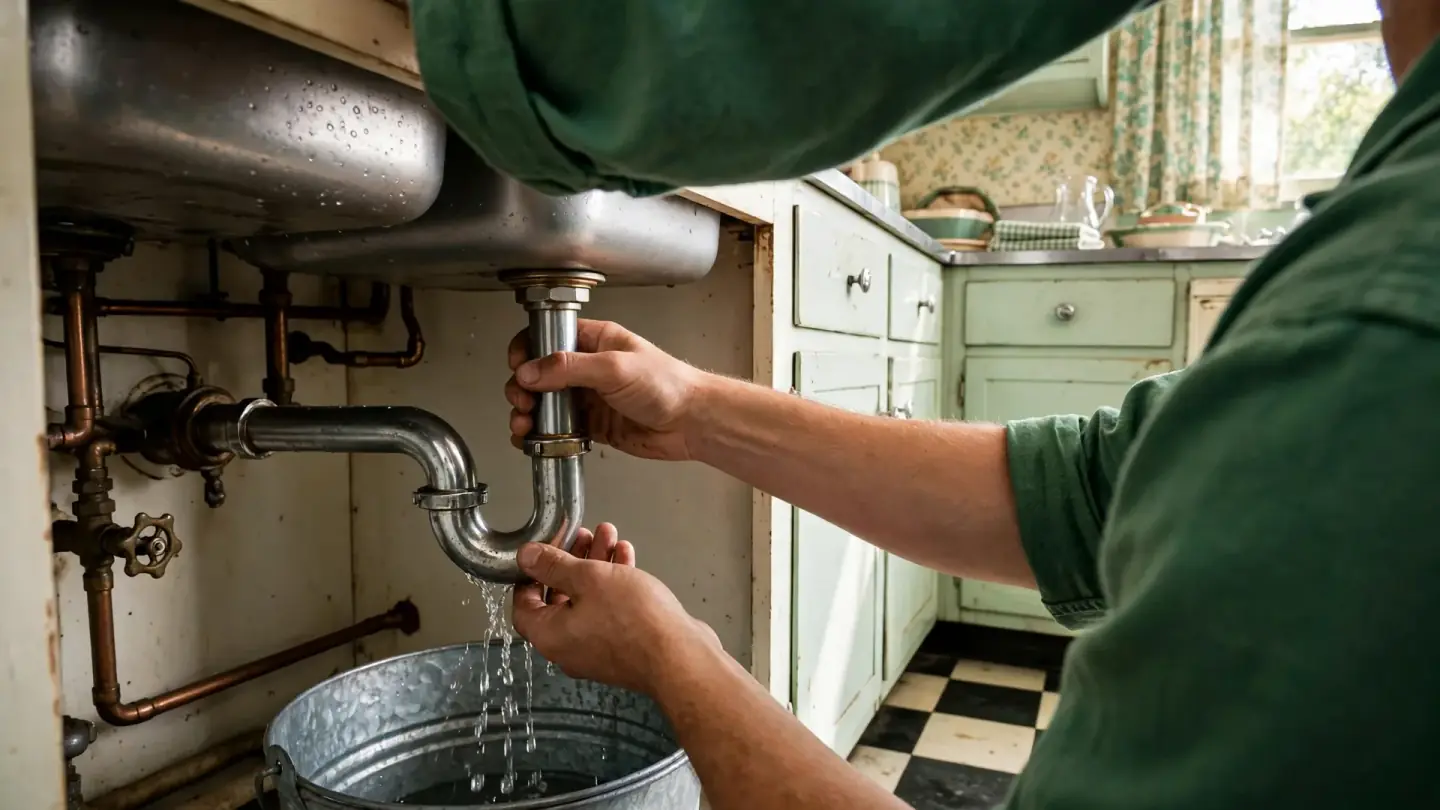
Emergency Kitchen Drain Cleaning
Kitchen sink full of greasy water, dishwasher pumping into the basin, disposal humming. Safe steps and when to get a contractor on the phone.
Explore serviceEmergency Sewer Line Cleaning
Sewage at the floor drain or lowest toilet whenever anything runs. Main line warning signs, safety steps and who handles which part.
Explore service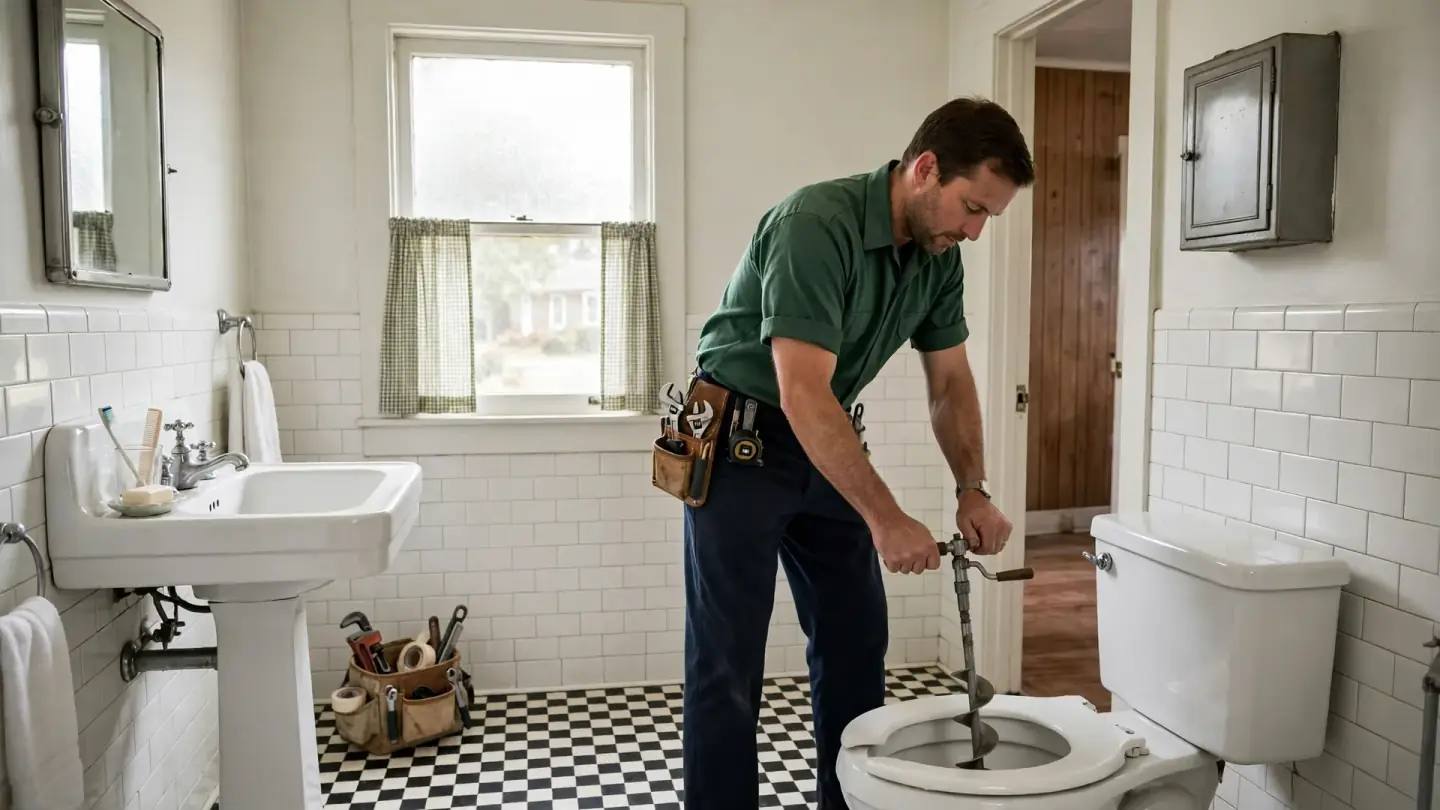
Emergency Toilet Drain Cleaning
Toilet rising to the rim or overflowing onto the floor. Close the valve, contain it, and find out whether the problem is the toilet or the line.
Explore serviceFloor Drain Cleaning
Basement, laundry and garage floor drains cleared of silt, lint and debris, with a check on whether rain or the lateral is the real problem.
Explore serviceHydro Jetting
High-pressure water washes grease, scale, sludge and fine roots off the pipe wall so the line runs at full bore again, not just through a hole.
Explore serviceKitchen Drain Cleaning
Slow or backed-up kitchen sinks in Dayton homes: grease and food buildup traced along the kitchen branch, cleared and scoured so it stays open.
Explore serviceMain Sewer Line Cleaning
Whole-house backups in Dayton: the building drain and sewer lateral opened from the cleanout, roots and grease cleared, and the cause shown on camera.
Explore servicePreventative Drain Maintenance
Scheduled cleaning set from your own camera footage: root cutting before spring, grease jetting, floor drain and trap checks before the storms.
Explore serviceSewer Line Inspection
A camera run down the whole lateral, house to city main: roots, breaks, sags, offsets and where the pipe actually runs under the yard.
Explore serviceShower & Bathtub Drain Cleaning
Showers and bathtubs in Dayton that drain slowly or leave standing water: hair, soap scum and old drum traps cleared, and shared lines checked.
Explore serviceToilet Drain Clearing
Toilets in Dayton that clog, flush weakly or back up: trapway obstructions cleared, toilets pulled when needed, and main-line clogs identified.
Explore service
Camera inspection
Clearing the line is half the job. The footage is the other half.
A cable can open a line without telling anyone why it closed. A camera run after clearing shows the pipe material, the joints and whatever the cutter left behind: root hair at a clay joint, a belly holding water, scale in old cast iron, a broken section. That is the difference between a cleaning that holds and one that fails again next season.
Many Dayton homes sit on old laterals, and the owner is responsible for that pipe all the way to the City main [1]. Ask the contractor you're connected with whether a drain camera inspection or a full sewer line inspection makes sense, and ask to keep the recording. It is yours to show anyone you get a second opinion from.
- See roots, sags and breaks yourself
- Know the depth and direction of the line
- Keep the recording
Freeze and thaw
Dayton winters and the drains nobody thinks about until January
January in Dayton averages a high near 37°F and a low near 22°F at the airport, and the city has recorded −28°F [4]. Drains are less likely to freeze than supply pipes because they empty, but lines that hold water in a sag, run through an unheated crawlspace or garage, or carry a slow drip from a condensate or laundry line can ice up during a long cold spell.
A frozen drain looks like a sudden clog that appears in a cold snap and has no other explanation. Do not use a torch on pipe, and do not pour boiling water into plastic fittings. The frozen drain lines guide explains safe checks and what the contractor will look for.
Hard water
Soap, grease and the minerals in Miami Valley water
The groundwater under the Miami Valley is very hard, calcium-magnesium-bicarbonate water, according to the U.S. Geological Survey [3]. Dayton's two treatment plants lime-soften the city supply before it is delivered [2], but homes on private wells or on a supplier that softens less still feed a lot of minerals into their drains.
Minerals combine with bar soap and cooking fat to form a hard, waxy lining that narrows pipe year after year. That build-up is why a slow draining sink often comes back after a plunger works, and why hydro jetting is sometimes the better tool than a cable for an older line.
Service area
Dayton neighborhoods and nearby cities covered
Calls are taken for Dayton and nearby communities. [Kettering](/areas/kettering/), [Huber Heights](/areas/huber-heights/) and Beavercreek are separate cities with their own building departments and sewer providers; each area page explains who handles what.
- Dayton
Guides
Read the symptom before you call
Short, practical guides to the drain problems Dayton households call about most.
- Guide
Basement drain backing up after rain
Why a floor drain overflows during storms, how to tell a city main problem from your own lateral, and the checks a contractor runs.
Read the guide - Guide
Frozen drain lines in winter
Which drain lines freeze in a Dayton winter, safe thawing steps, and why a contractor often films a line after it thaws.
Read the guide - Guide
Gurgling drains
What gurgling drains and toilets mean, how to tell a vent from a partial clog, and when City main jetting is the reason.
Read the guide - Guide
Slow draining sink
Why a single sink drains slowly, what to check under the cabinet, and how grease, soap, scale or a vent problem gets diagnosed.
Read the guide - Guide
Sump pit vs floor drain
What a basement floor drain and a sump pit each handle, where they discharge, and which to suspect when water shows up on the floor.
Read the guide - Guide
Toilet and tub backing up together
Why water comes up in the tub when you flush, how to tell a bathroom branch from a main line blockage, and what the contractor checks.
Read the guide
FAQ
Dayton drain cleaning questions, answered fast
Who is responsible for a clogged sewer lateral in Dayton?
The property owner. The City of Dayton says the owner looks after the private sewer connection up to its junction with the public line, while the City's Division of Sewer Maintenance handles upkeep of the public main itself. Street-side lateral work is done by City crews.
How do I know whether it's my drain or the City sewer main?
If only one fixture is slow, the problem is in that branch of your own plumbing. If every fixture backs up at once, the blockage is in your building drain, your lateral or the public main. Neighbors with the same trouble point toward the main, which the City of Dayton Sewer Maintenance division handles [1].
Can I get someone on the phone right away?
That is how the service works: your call is connected to an independent local contractor who speaks with you on that call. What they can do and when they can be there is something they tell you directly; no arrival time is promised here.
Why does my basement smell like sewer gas when nothing is clogged?
Usually a floor drain or rarely used fixture has a dry trap, so sewer gas comes straight through. Dayton's sewer maintenance guidance says pouring water into the trapped fixture normally fixes it. If the smell returns quickly, have the trap and vent checked.
Do I need a permit to have a drain cleaned in Dayton?
Routine drain cleaning generally does not need a permit in Dayton. Repairing or replacing a broken sewer lateral does: the City says a licensed plumber pulls the permit for that work [1]. Kettering, Huber Heights and Beavercreek run their own permit offices, so confirm the rules there before any digging starts.
Talk to a contractor
Describe the drain. Get the cause. Get it cleared.
Call and you are connected with an independent local drain contractor on that same call. Ask about camera footage, and call to check emergency availability if sewage is coming up.
Sources and citations
Keep reading