Key facts: Preventative Drain Maintenance
- Dayton sets no fixed root-cleaning schedule for laterals; it depends on pipe condition and nearby trees and shrubs [1].
- Owners are responsible for the house service pipe running out to the street sewer [1].
- The Great Miami Buried Valley Aquifer received federal Sole Source Aquifer status in 1988 [2].
- Dayton's January mean low is about 21.8°F, with roughly 23 to 25 inches of snow a season [3].
How it works
Building a cleaning interval from a baseline recording
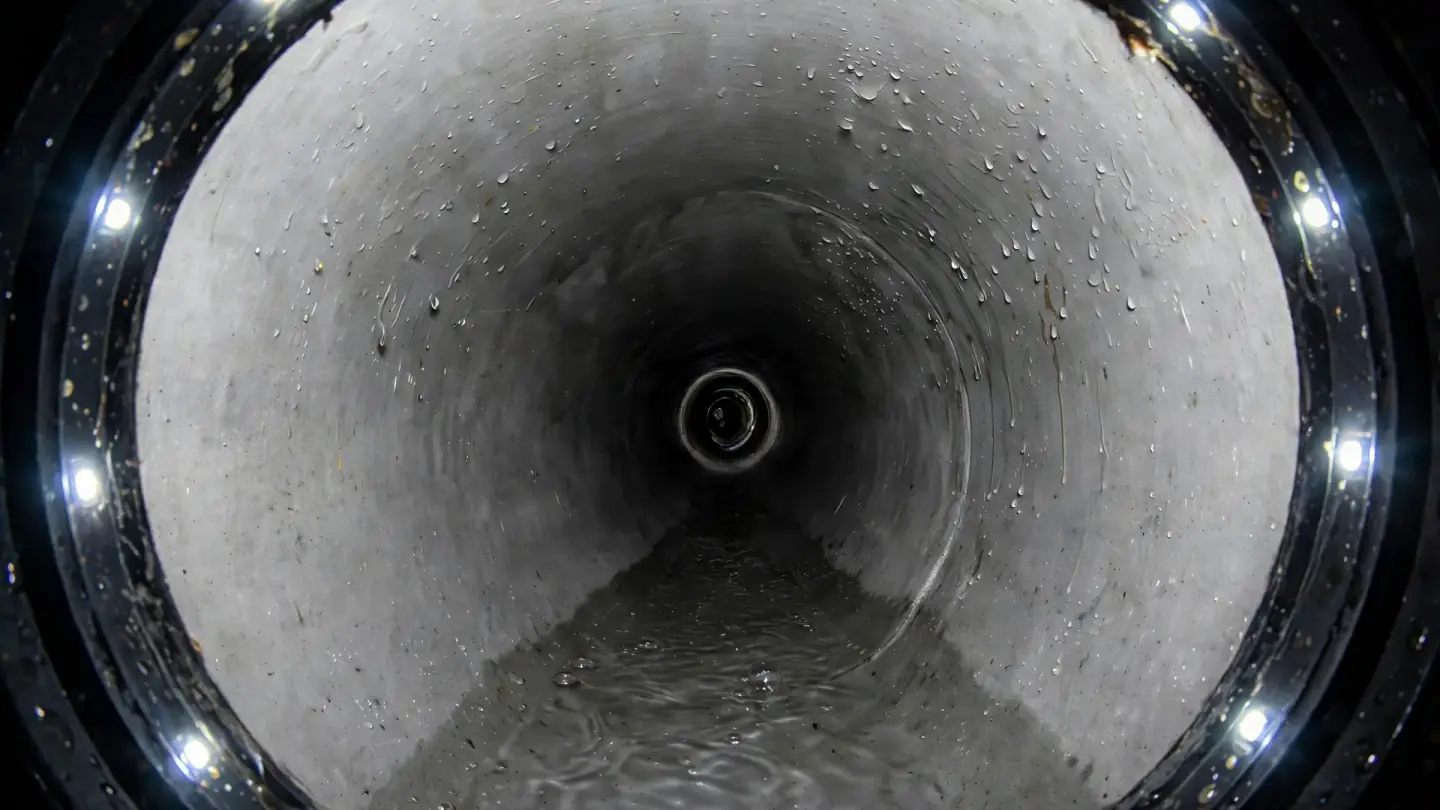
Preventative maintenance starts with a baseline. The contractor clears the line and runs a camera through it, recording the condition of each joint and the amount of root, grease or scale that was removed. That recording becomes the reference point: it shows what a clean line looks like and where the trouble spots are.
At the next visit, the camera goes back in before any cleaning. Comparing the two recordings shows how fast the line fouls. If roots at three joints have grown back to a quarter of the bore in a year, an annual cutting before they close the pipe makes sense. If grease in a kitchen line has barely built up, the interval can stretch. The schedule is set by evidence, not a sales pitch.
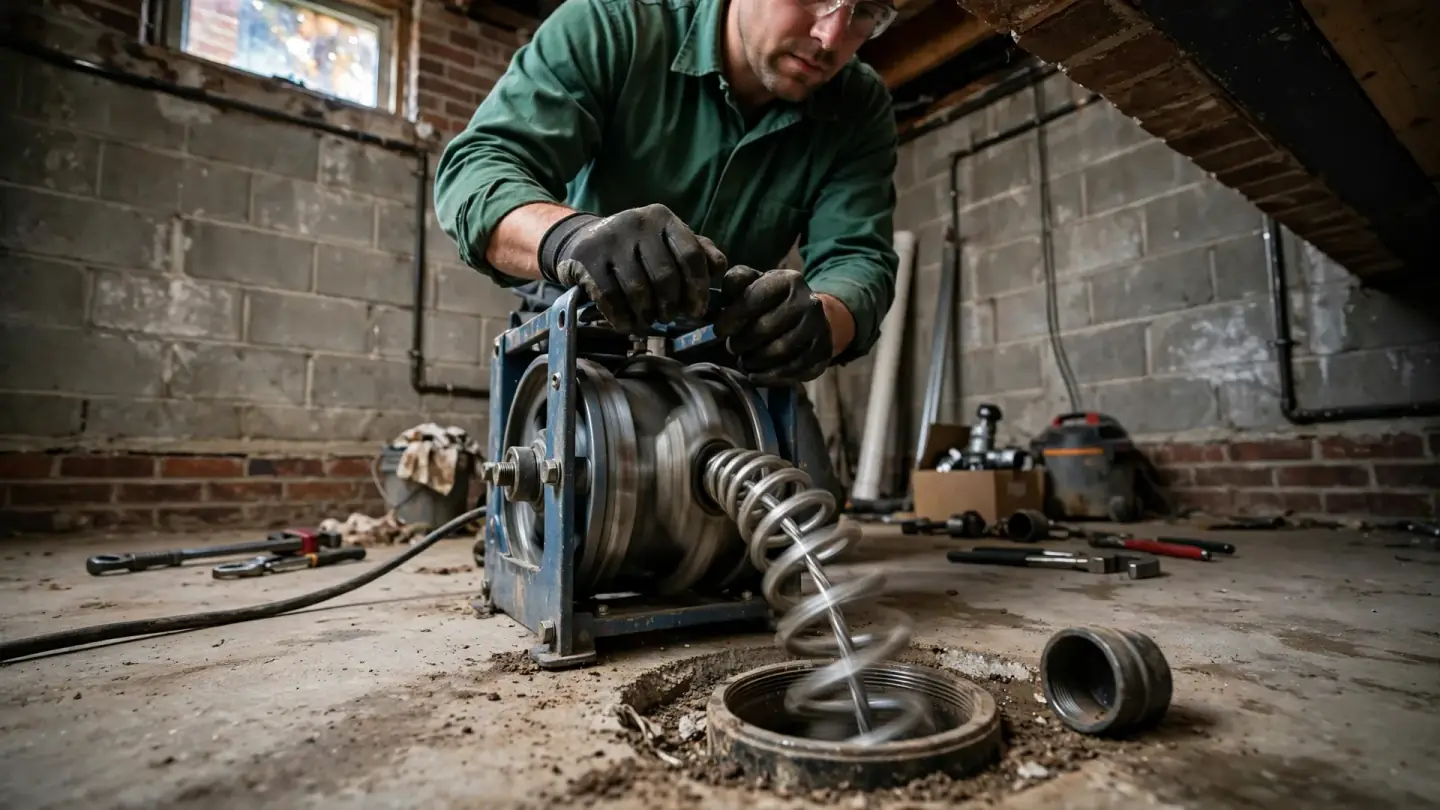
The work at each visit depends on the line. Clay laterals with root intrusion get cut or jetted with a root head. Grease lines get jetted. Floor drains get their traps cleared and refilled. Backwater valves get cleaned and tested. Every visit ends with footage, so the next one can be compared.
Maintenance is not a fix for a broken pipe. If the baseline shows a collapse or a long belly, the honest plan is a repair first, then maintenance on a sound line. A sewer line inspection is the starting point when the lateral's condition is unknown.
A baseline drain camera inspection is the usual starting point for setting a sensible maintenance interval.
Signs
Which Dayton properties need drains cleaned on a schedule?
A backup at roughly the same time each year
Annual backups, often late summer or autumn when roots are most active, are the clearest case for cleaning a few weeks before the usual date.
Mature trees between the house and the street
Roots look for water and find their way into open clay joints. Large trees over an old lateral make root growth a recurring issue.
A restaurant or shared commercial kitchen
Grease loads in commercial kitchens build up quickly. Scheduled jetting keeps lines open between interceptor services.
A rental with tenants you cannot supervise
Wipes, grease and hair in rental units are hard to control. A routine check on stacks and the main catches buildup before a tenant calls.
A home on a private well
Very hard groundwater leaves more scale and soap crust in drain lines. Periodic descaling keeps the bore open.
A basement that floods in heavy rain
Cleaning floor drains and testing backwater valves before the spring storm season removes one variable from rain-driven backups.
The maintenance plan
How a maintenance schedule is set up and kept on track
- 1
Baseline cleaning and recording
The line is cleared and recorded end to end. Distances to each root joint, grease build-up or defect are noted so later visits can compare.
- 2
Choose the right method for each line
Root joints, grease runs and scale call for different tools. The plan lists which line gets which treatment rather than using one method everywhere.
- 3
Set a first interval conservatively
The first gap between visits is set a little short of when trouble is expected, based on past backups and what the camera showed.
- 4
Camera before cleaning at the next visit
Recording the line before clearing shows how much returned. That number decides whether the interval stays, shortens or stretches.
- 5
Adjust and keep the records together
Each visit adds to the file. Over two or three cycles, the schedule settles to what the pipe actually needs.
- 6
Flag changes that need a repair
If the footage shows a joint getting worse, a new crack or a growing belly, the plan changes from cleaning to repair before it fails.
What gets maintained
Maintenance tasks by line type and typical reason for each
| Line or part | Maintenance task | Why it matters |
|---|---|---|
| Clay lateral with root joints | Root cutting or root-head jetting, then camera | Stops roots closing the pipe between visits |
| Kitchen branch and main (home) | Jetting when footage shows grease building | Prevents grease rings that trap food |
| Restaurant grease line | Scheduled jetting coordinated with interceptor service | Keeps the kitchen running through busy periods |
| Basement floor drain | Clear trap, refill, check under-slab line | Ready for heavy rain and stops sewer odour |
| Backwater valve | Clean flap and seat, test movement | A jammed valve does nothing in a surcharge |
| Tub and shower branches | Hair and scale removal | Keeps slow drains from becoming full clogs |
| Shared stack in a rental | Camera and clear from roof or cleanout | Prevents backups into lower units |
DIY vs where to stop
Household habits that stretch the gap between professional cleanings
- Pour cooled cooking grease into a container for the trash. The City of Dayton asks residents to keep grease out of drains [1].
- Use hair catchers in tubs and showers and empty them weekly.
- Flush only toilet paper. Wipes labelled flushable still snag on roots and joints.
- Fill the floor drain trap with water every few months, and before going away for a long stretch.
- Keep downspouts discharging onto the ground away from the house, not into a basement drain.
- Avoid planting new trees directly over the lateral. Ask for the pipe route first; the City will not locate private laterals [1].
- Stop and call if a drain slows between scheduled visits. That is a sign the interval is too long or something has changed.
Dayton specifics
How do freeze, thaw and tree roots affect Dayton clay laterals?
Dayton's winters are cold enough to move the ground. The January mean high is around 37.1°F and the mean low around 21.8°F at the airport, with roughly 23 to 25 inches of snow a season [3]. Each freeze and thaw shifts shallow soil a little, and older clay laterals laid in short lengths have many joints that can open slightly as it does. Roots find those openings.
The City's sewer FAQ confirms there is no set schedule for root cleaning of a house lateral; it depends on the lateral's condition and nearby trees and shrubs [1]. That puts the decision with the owner, who is also responsible for the connection between the building and the public sewer [1]. A maintenance plan based on footage is how most owners handle that responsibility without waiting for a backup.
Water supply affects what builds up. The Dayton area draws from the Great Miami Buried Valley Aquifer, a sand and gravel aquifer that has held federal Sole Source Aquifer status since 1988 [2]. That water is naturally very hard; City customers receive it lime-softened, while homes on private wells get it as it comes out of the ground. Well-water homes usually need descaling more often.
Spring rain is the other seasonal factor. Basements that take water through the floor drain in storms benefit from a cleaning and backwater valve check before the wet season, so that if water does come up, a clogged trap or jammed valve is not part of the reason. The guide on basement drains backing up after rain covers what else to check.
Any repair that comes out of a maintenance visit follows the City's rules: a licensed plumber pulls a permit for a broken lateral, and digging needs an Ohio811 call two working days ahead [1].
When cleaning isn't enough
When a maintenance plan should turn into a repair plan
Maintenance works when the pipe is sound and the problem is growth or buildup. It stops working when footage shows the pipe itself is failing: a joint that has opened wider since the last visit, a crack that has grown, soil appearing in the bore, or a sag that holds more water each time.
Those changes are exactly what the before-cleaning camera run is there to catch. When it shows a defect getting worse, the sensible step is to repair that section and then return to a lighter schedule, rather than cutting roots from a pipe that is coming apart.
For lines that are clean but simply foul quickly, the right tool matters. Grease and scale respond best to hydro jetting; roots at a few joints may only need a cutter. For businesses, see commercial drain cleaning for kitchen and multi-unit plans.
See the complete Dayton drain service list for one-off jobs, or read about shower and tub drain cleaning and main sewer line cleaning when a single line needs attention now.
FAQ
Scheduled drain maintenance questions for Dayton owners
How often should a root-prone Dayton sewer lateral get preventative cleaning?
There is no single answer, and the City of Dayton sets no fixed schedule for private laterals [1]. Compare a baseline camera recording with a second run about a year later. If roots have grown back substantially, an annual cutting is sensible; if the line looks much the same, the interval can usually be stretched and checked again.
What time of year is best for preventative root cutting in a sewer line?
Many owners book it a few weeks before the season their line usually backs up. Roots grow most actively in the warm months, so cutting in late spring or early summer keeps the lateral open through peak growth. If your line has a history of trouble in a particular month, plan the visit ahead of it.
Is preventative drain maintenance worth it for a newer plastic sewer line?
Often it is not needed. Plastic laterals with glued joints rarely let roots in, and they do not build scale the way old cast iron can. A single baseline camera run confirms the line's condition. If it is clean with sound joints, an occasional check, or a look after any backup, is usually enough.
Can enzyme drain treatments replace a preventative drain maintenance schedule?
No. Enzyme products can slow the build-up of new grease film in a line that is already clean, but they do not cut roots or open a restriction. Treat them as an add-on between mechanical cleanings, and follow the label, rather than as a substitute for cutting or jetting a line that the camera shows is narrowing.
Should a basement floor drain be part of a preventative maintenance plan?
Yes, if it has ever backed up or smelled of sewer gas. Clearing the trap, topping up the water seal and testing any backwater valve before spring storms removes common contributors to rain-driven basement backups. A floor drain that sits dry for months can also let odour in, so refilling it is a simple habit.
Will preventative drain maintenance stop every sewer backup?
No, but it greatly reduces backups caused by roots, grease and scale. It cannot prevent a surcharged public main, rainwater entering through your own downspout connections, or a cracked and sagging pipe. When the footage shows structural damage getting worse, the plan should shift from scheduled cleaning toward a repair.
Should I keep the camera recordings from each preventative drain cleaning?
Yes, ask for every recording. The series is what shows whether a line is stable or getting worse, and it gives a future buyer or repair contractor a clear history. Store the files with a note of the date, the access point and the distances where roots or defects appeared.