
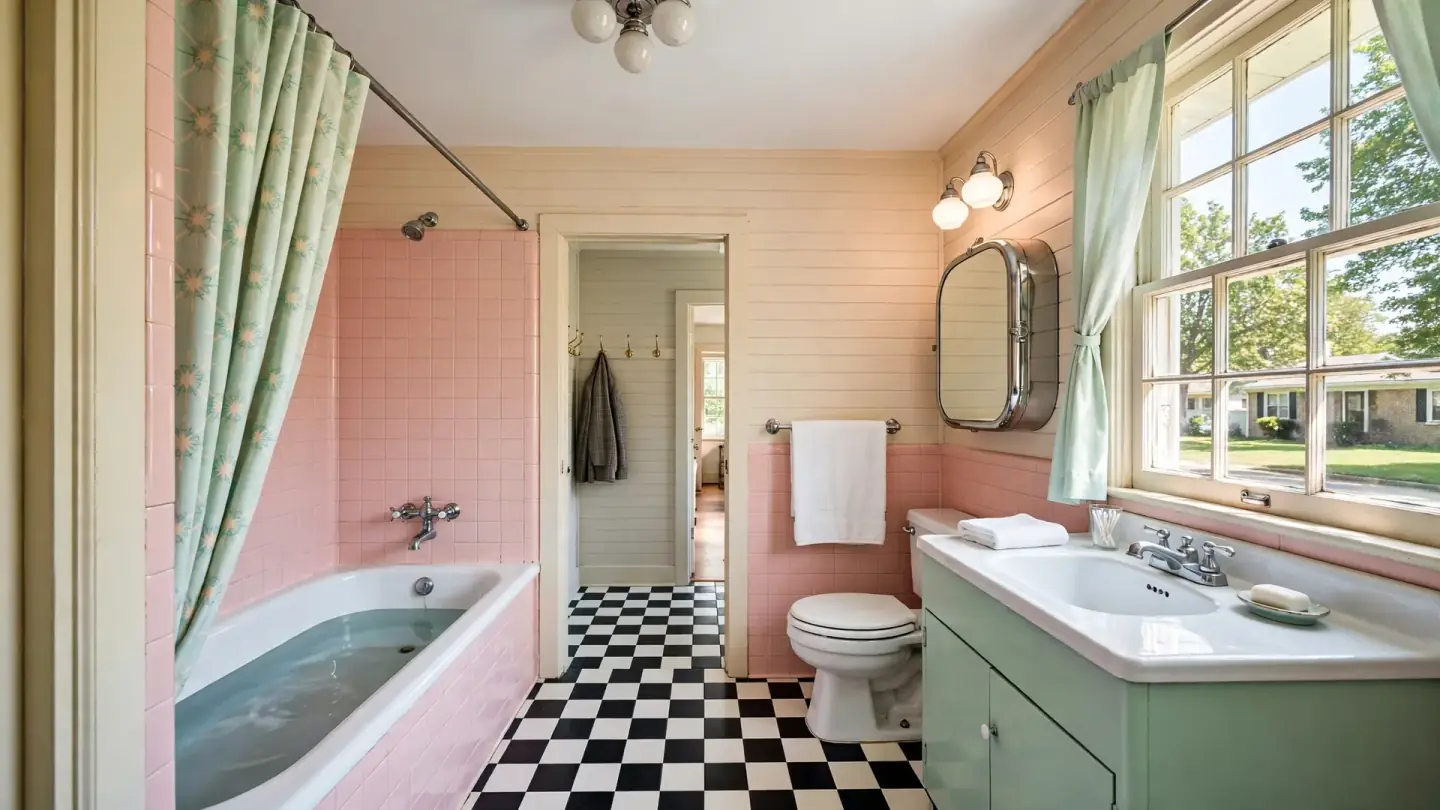
Key facts: Emergency Clogged Drain Service
- A blockage confined to one fixture usually sits in its trap or short branch pipe, not in the main building drain.
- A sewer smell from an unused basement fixture is usually a dry trap; pouring water into it restores the seal [1].
- Dayton's treated water is lime-softened at its Ottawa and Miami plants, which reduces but does not end soap and scale buildup in drains [2].
- Ohio's plumbing rule adopts Chapter 7 of the 2021 International Plumbing Code for sanitary drainage inside buildings [3].
Scope check
Signs the trouble really is limited to one fixture
Other fixtures drain normally
Run the next sink or flush a toilet for a few seconds. If those empty quickly and the problem basin does not change, the blockage is local.
No gurgle elsewhere
A gurgling sound from a different fixture while this one drains suggests air being pushed through a shared line or a venting issue further along.
Slow first, then stopped
A drain that got gradually slower over weeks and finally quit is the classic hair, soap or grease build-up in a trap.
Nothing at the floor drain
If the basement floor drain stays dry when this fixture is used, the main line is doing its job.
What is happening inside
Why does a bathroom or laundry drain close up overnight?
Most single-fixture clogs build slowly and fail suddenly. Hair wraps around the stopper linkage, soap binds it into a mat, and toothpaste, shaving cream and skin oils fill the gaps. In a laundry tub, lint and fabric fibres do the same job. The drain keeps working, more slowly each week, until one last rinse pushes the mat into the bend of the trap and water stops moving.
Water chemistry plays a part. The USGS describes groundwater in the Great and Little Miami basins as very hard calcium-magnesium-bicarbonate water [4]. Dayton softens its supply with lime at its treatment plants [2], which helps, but homes on private wells or fed from an unsoftened source tend to see more scale in traps and tailpieces. Scale gives soap something rough to cling to, so the mat forms faster.
The good news is that a true single-fixture clog sits close to where you can reach it. The trap is right under the basin, and the branch pipe behind the wall is usually only a few feet long before it joins a larger line. That is why a contractor can often clear it with a small hand cable or by pulling the trap, without needing to open the main building drain. If the guide on a slow-draining sink sounds like your situation and you have a few days, you may not need emergency help at all.
Worth one careful try
Low-risk things to try on a stopped vanity or tub
These are gentle and reversible. Stop if water rises or you feel resistance you cannot explain.
- Pull the pop-up stopper or tub strainer and remove the hair mat you can see; it is often most of the clog.
- Use a cup plunger on a sink with the overflow hole covered by a wet cloth, so the push goes down instead of out.
- Pour a kettle of hot, not boiling, water into a bathroom sink with a plastic trap; boiling water can soften older plastic fittings.
- Put a bucket under the trap and unscrew the slip nuts by hand if they are accessible; clean it and refit it snugly.
- Stop after two attempts. Repeated plunging can loosen trap joints and start a leak inside the vanity.
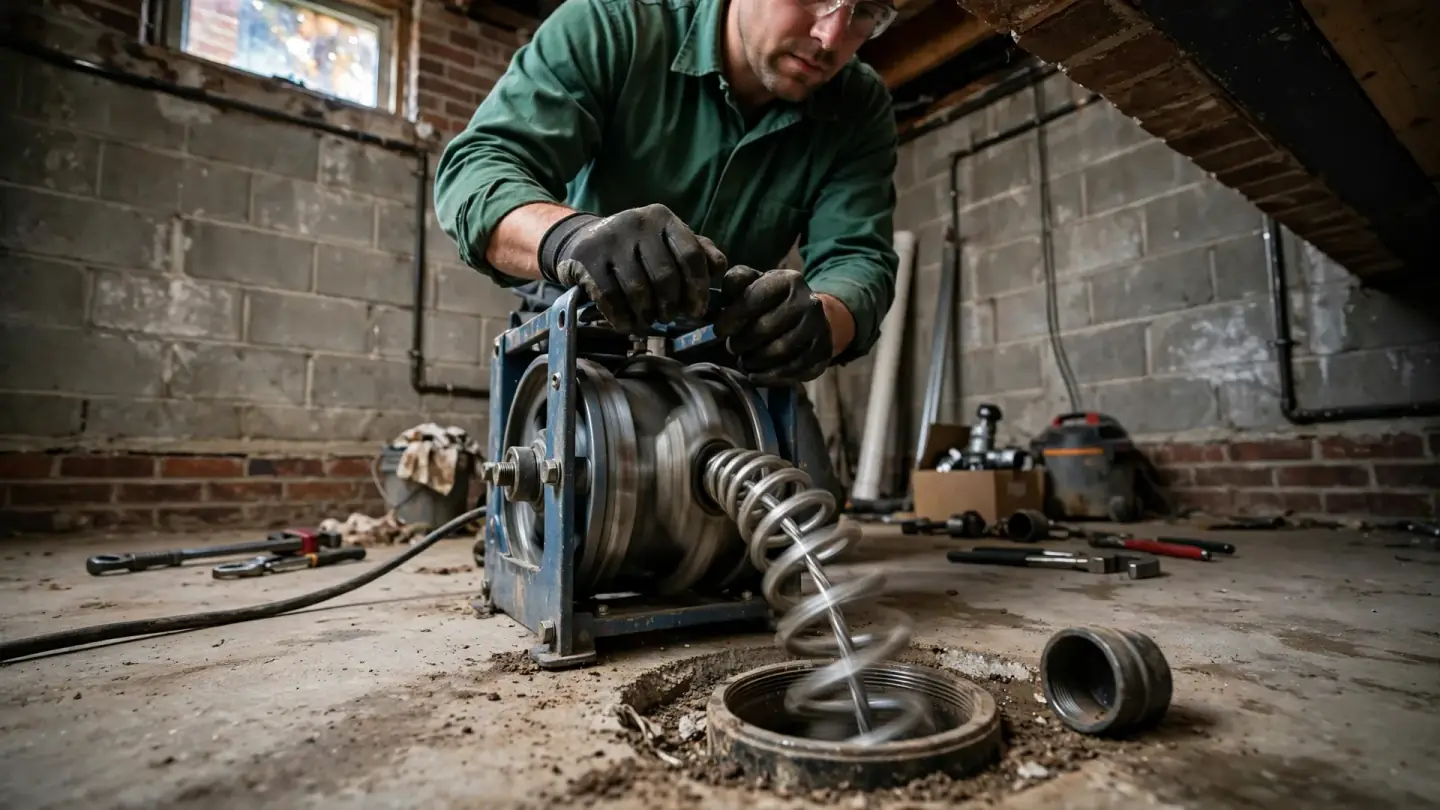
Visit outline
How a contractor usually handles a single stopped fixture
- 1
Confirm the scope
The contractor runs water elsewhere to check that the main line is clear and the problem is truly local to that basin or tub.
- 2
Protect the area
Drop cloths and a bucket go under the vanity or beside the tub so trap water does not end up on finished floors.
- 3
Open the trap or overflow
Pulling the trap, or going in through a tub overflow plate, gives a straighter path than forcing a cable through the basin opening.
- 4
Hand-cable the vanity branch line
A small-diameter cable runs to the point where the branch meets a larger pipe, clearing hair and soap rather than pushing them further along.
- 5
Test with volume
The fixture is filled and released several times. A clean line empties in a steady swirl without gurgling.
Make the call
When should I stop trying to fix a clogged drain myself?
Call when the water is close to overflowing and will not go down, when you have tried gently twice without change, or when an event, a tenant moving in, or an elderly relative's bathroom means the fixture has to work tonight. Call too if a trap joint starts to drip after you have worked on it; a leak inside a vanity can do quiet damage to the cabinet and floor.
Move to a different page if the scope check fails. If two fixtures react to each other, read the emergency bathroom drain cleaning page. If the lowest drain in the house is filling, the main line is involved and emergency sewer line cleaning is the better fit. For a stubborn clog with no deadline attached, standard clogged drain repair is the right service.
If the drain in question is in the City of Dayton and the house has been empty, check for a sewer smell first. The City's FAQ notes that a basement sewer odour is usually a dry trap, fixed by pouring water into the fixture [1]. That is not a clog, and it needs no visit. A toilet that will not go down has its own toilet emergency guide, and you can compare every option on the drain services overview.
FAQ
Questions about one drain failing before an event
How do I know if only one drain is clogged or it's the main line?
Run water briefly at a sink or tub elsewhere in the house and flush a toilet on a different floor. If everything else drains normally, the clog is in that one fixture or its short branch. Water appearing in a floor drain or another fixture points to the main line, which needs a different response and usually a contractor.
Can a single clogged sink overflow if I leave it overnight?
A sink that is fully blocked will not rise by itself, because nothing more is entering it. It overflows only when someone runs water, the dishwasher or washer discharges into it, or a connected fixture drains through it. Close the faucet handles, pause any appliances on that line and put a note on the tap so nobody uses it.
Is it worth calling a contractor for just one clogged bathroom sink?
It is when the sink is needed and simple steps have failed. A plunger and cleaning the pop-up stopper clear many vanity clogs. If those fail, or the trap is old and fragile, a contractor can clear it with a hand auger without damaging the fittings. One fixture is usually a short, contained job.
Why did my laundry tub stop draining while the washer was running?
Washer discharge carries lint, fabric fibres and detergent residue that build up in the laundry branch over time. A full pump-out sends a large volume at once, and a narrowed pipe cannot carry it fast enough. Stop the washer between cycles, bail the tub and call before running another load through the line.
What can I safely try on a clogged tub drain before calling?
Remove the stopper and pull out any hair you can see, then use a cup plunger with the overflow covered by a damp cloth. A plastic barbed strip also lifts hair from the first few inches of pipe. Avoid mixing chemical products, and stop at once if the water level rises at another fixture.
Will a contractor come out for a single clogged drain at night?
It depends on the contractor you are connected with and how busy they are. Some take after-hours calls for single fixtures, others book the next working slot. Call to check emergency availability, explain that only one drain is affected and ask what their options are. Nobody can promise a time in advance.