Key facts: Oregon District
- The Oregon District is Dayton's oldest neighbourhood, with buildings from the 1820s and 1830s into the early 1900s [1].
- The district joined the National Register of Historic Places in 1975 and became a city historic district in 1972 [1][2].
- A Dayton homeowner owns the lateral all the way out to the public main, so its condition is the owner's to know [3].
- Dayton's sanitary and storm sewers are separate systems; laterals should not be connected to catch basins [3].
The houses
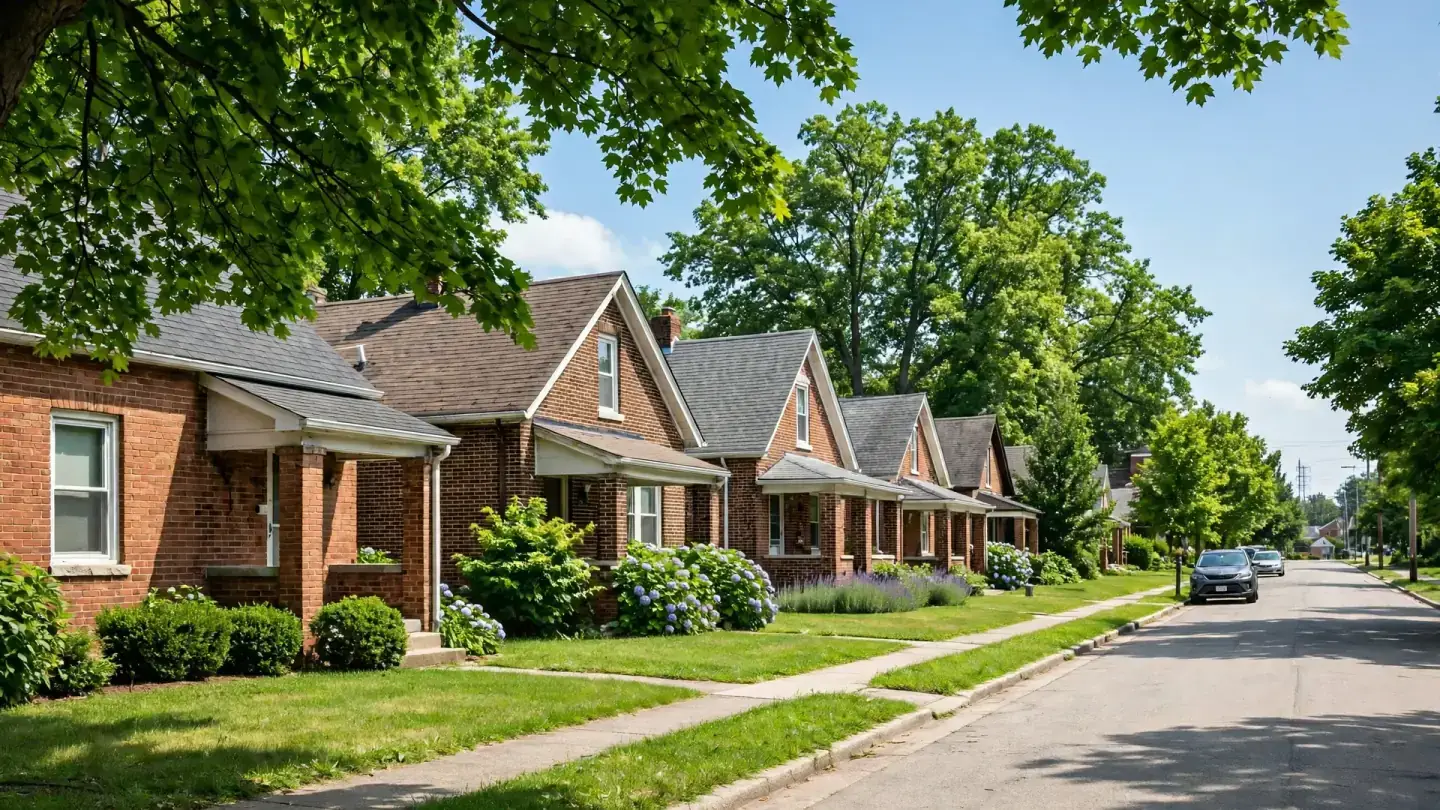
Oregon District homes: old brick, narrow lots, deep history
The Oregon District sits just south-east of downtown Dayton, and it is the city's oldest surviving neighbourhood [1]. Its buildings run from the 1820s and 1830s through the early 1900s, in Federal, Greek Revival and Queen Anne styles, with a run of commercial buildings along East Fifth Street [1]. The National Register listed it in 1975, and the City of Dayton had already made it a local historic district in 1972 [1][2].
For drains, age is the whole story. A house built before indoor plumbing was common got its bathrooms, kitchen drains and sewer connection added later, often in stages. One house might have a cast-iron stack from one era, galvanised branch lines from another, and a clay lateral running under the front walk to the street. Each of those materials fails in its own way, and an Oregon District drain call often turns up two or three of them in the same house.
Lots are narrow and houses sit close to the sidewalk and to each other. Many have small rear yards that open onto alleys. Some buildings have been divided into flats or combine a shop or bar downstairs with apartments above. That mix matters, because a single lateral can carry the waste of more than one household, and a backup in a lower unit may come from a neighbour's fixtures upstairs.
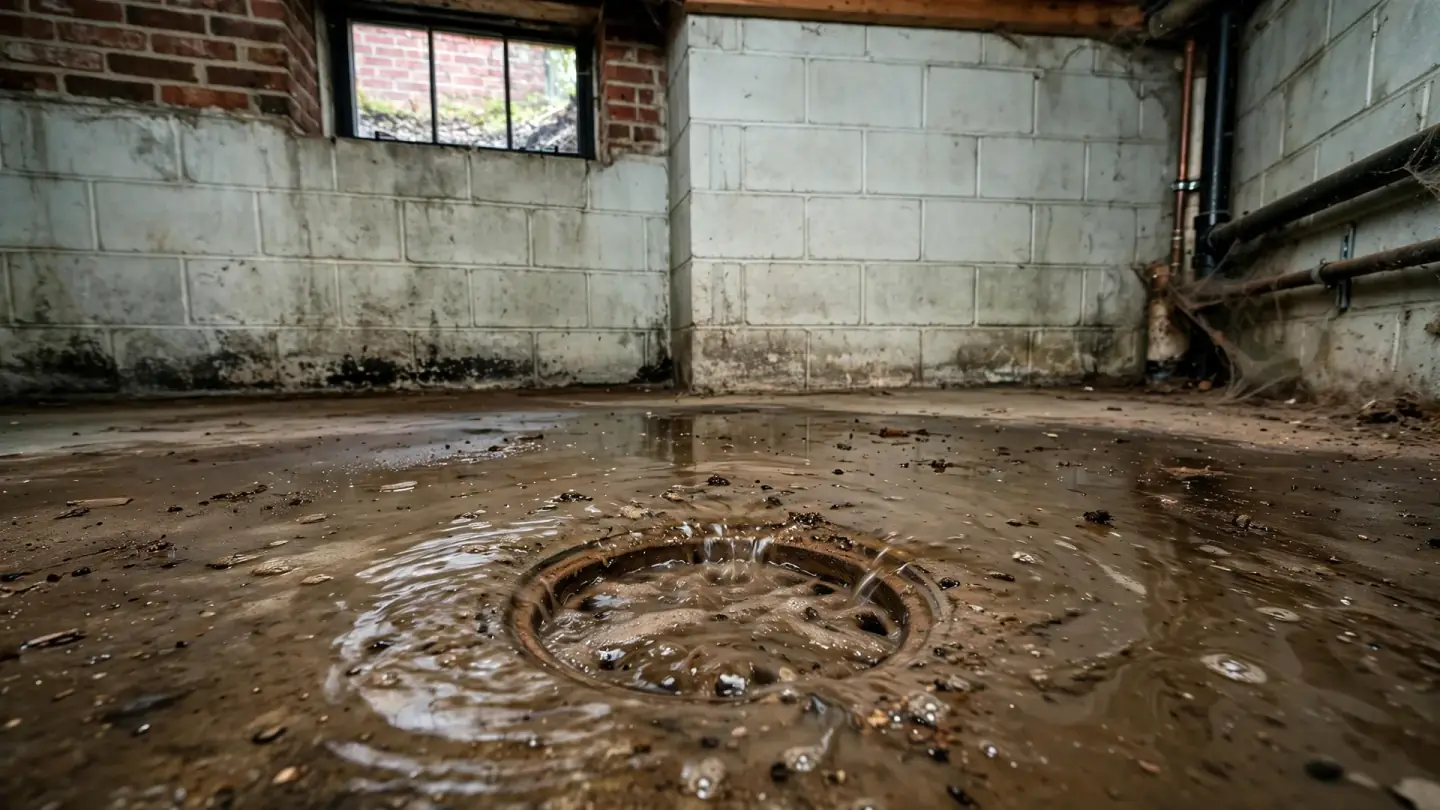
Basements here are often low, with stone or brick foundation walls and a floor that was poured or patched long after the house went up. The main drain may leave through the front wall, the side wall or under the floor, and the original cleanout, if there ever was one, may be buried behind a later finish or a furnace. Finding it is usually the first job.
Common calls
What drain contractors see most in the Oregon District
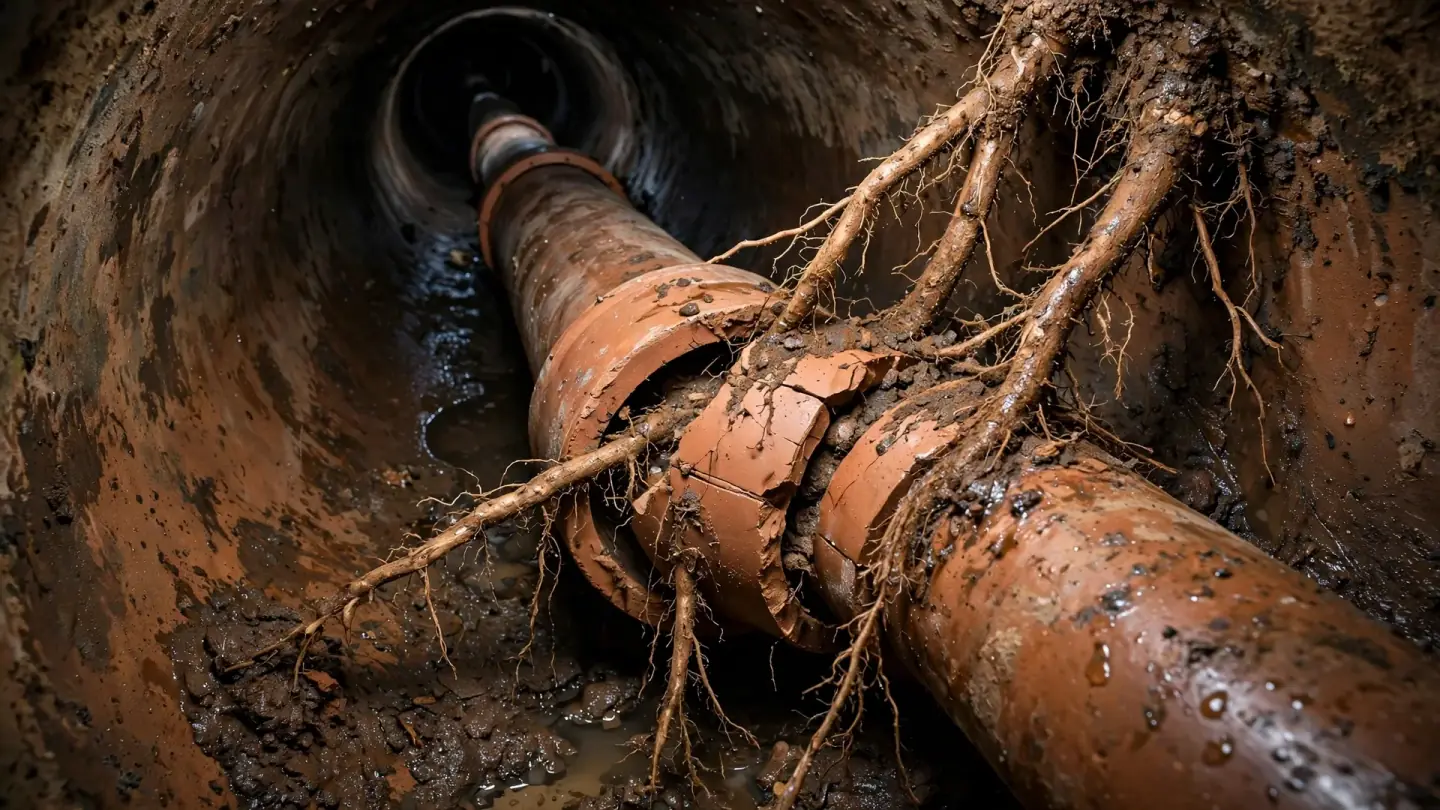
Roots in short clay laterals
The run from house to main is short, but old clay joints let fine roots in. A slow main line that clears and returns months later is the usual pattern.
Scaled cast-iron stacks
Old cast iron rusts and scales on the inside, narrowing the bore. Paper and grease snag on the rough walls and build into a recurring clog.
Shared lines in divided houses
Flats above a lower unit can share one drain. The lowest fixture overflows first, even when the clog is caused by the floors above.
Grease from kitchens on Fifth
Bars and restaurants mix with homes. The City says grease solidifies in mains and asks businesses to keep grease traps maintained [3].
Historic district
Does historic status affect drain work in the Oregon District?
Historic designation in Dayton is mostly about what the street sees: facades, windows, porches, rooflines. Clearing a drain from inside the house or through an existing cleanout normally changes nothing a passer-by would notice. Larger work is different. If a repair means cutting a new exterior cleanout, opening a front walk, or disturbing brick paving or masonry, ask the contractor you're connected with to check with the City before planning that route.
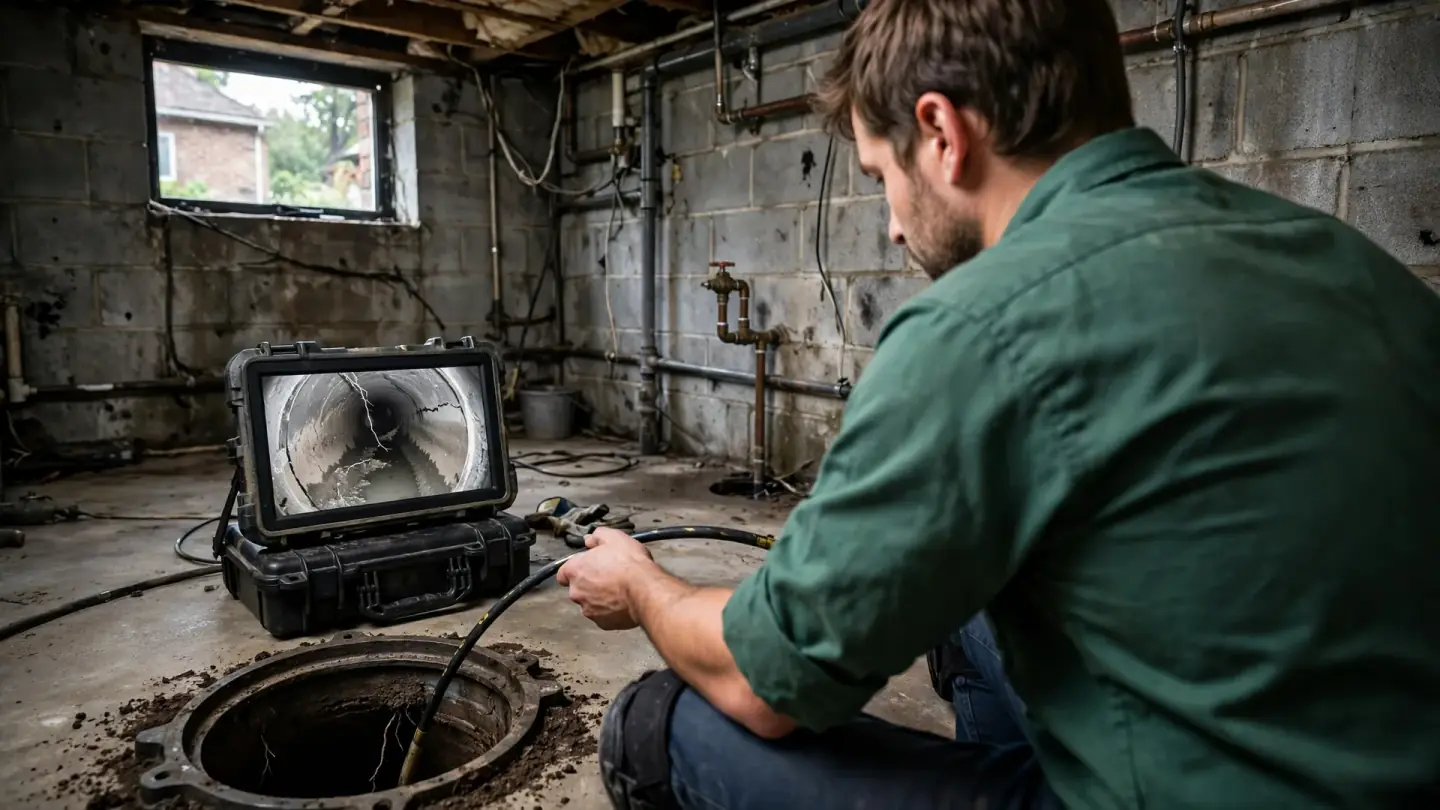
The practical point is that the least disruptive repair is often the best fit for a house like this. A camera inspection [3] shows whether the line is round and holding its slope. If it is, clearing roots and scale and adding a maintenance plan may be enough. If the camera shows a collapse or a deep offset, the contractor can explain the options and what permits they would need.
Many Oregon District owners have spent years restoring their homes. Before anyone opens a wall or floor, ask for the camera footage and a marked location of the problem, so the repair can be targeted rather than exploratory. A drain camera inspection is the step that makes that possible.
Old pipe
What pipe is under an Oregon District house?
Vitrified clay was the standard sewer pipe for generations. It resists chemicals well, but it comes in short sections joined at bells, and those joints are where roots, soil and water get in. Street trees and backyard trees in the district have had a long time to find them. Root growth inside a lateral is slow, so the first sign is often a toilet that gurgles or a basement drain that is slow after laundry.
Inside the house, cast iron is the common old material. It lasts a long time, but the inside surface roughens and builds scale, and horizontal runs can crack along the bottom where water sits. A cracked bottom lets water out into the soil under the floor, which can show as damp spots or an odour long before a full backup. The City notes that a sewer smell in a basement is often just a dry trap, so pour water into floor drains and unused fixtures first [3]; if the smell stays, a camera can look for a crack.
Galvanised steel branch lines, added during early-1900s plumbing upgrades, close up with corrosion from the inside. They are most common on kitchen and bathroom branches. When a sink has been slow for years and nothing seems to help, a contractor will often suggest looking at the branch itself rather than just the trap. See the slow-draining sink guide for what to try first.
Mixed materials also mean mixed joints. Where an old cast-iron hub meets newer plastic, a poorly made transition can leave a ledge that catches debris. These spots often show up clearly on camera and can explain a clog that keeps returning in the same place.
Water and weather
Softened city water, winter cold and old Oregon District drains
The Oregon District gets City of Dayton water. Dayton draws from the Great Miami River Buried Valley Aquifer and treats it at the Ottawa and Miami plants with lime softening, pH adjustment, fluoridation, chlorine and sand filtration [4]. Softened water helps, but it does not stop soap scum and grease from building up in a rough cast-iron line.
Dayton winters are cold enough to matter. January averages a high around 37°F and a low around 22°F at the airport, with roughly two feet of snow in a typical season [5]. In old houses, the risk is drain and supply pipes running along an uninsulated exterior wall or through a crawl area under a rear addition. A drain that freezes partly will run slowly, then back up. Read the frozen drain lines guide before pouring anything hot into a stopped line.
Heavy rain is the other seasonal trigger. The City explains that basement flooding in heavy rain can come from an overtaxed or blocked sewer main or from things inside the house, such as downspouts, foundation drains or sump pumps; its Sewer Maintenance staff can help work out which [3]. If water is rising through a floor drain during a storm, see basement drain backing up after rain.
Shops and flats
Bars, restaurants and upstairs flats on Oregon District blocks
East Fifth Street mixes homes with bars, restaurants and shops, and some buildings combine a business on the ground floor with apartments above [1]. Commercial kitchens send far more grease down the drain than a household does. The City of Dayton asks restaurants to install and maintain grease traps, because grease that reaches the sewer cools and hardens in the main [3]. A neglected trap is one of the most common reasons a restaurant line backs up on a busy night.
For a mixed-use building, it helps to know which fixtures feed which line before anyone starts clearing. In some buildings the kitchen has its own drain to the street; in others it joins the residential stack in the basement. If grease from the kitchen meets paper from the flats in a single horizontal run, the clog usually forms right at that junction. Commercial drain cleaning explains how contractors approach business lines, and kitchen drain cleaning covers household kitchens.
Owners of these buildings often benefit from a written record: when the grease trap was serviced, when the line was last cleared, and what the camera showed. That record makes it easier to see whether a backup is a one-off or part of a pattern, and it gives the next contractor a head start.
Permits and who to call
Permits and sewer responsibility in the Oregon District
The Oregon District is fully inside the City of Dayton, so Dayton rules apply.
- Your lateral: the private sewer lateral that runs out to the public pipe is the owner's to look after [3].
- The main: Dayton's Division of Sewer Maintenance cleans and repairs the public sewer main [3].
- Broken lateral: a licensed plumber pulls a permit for the repair and does the private-side work [3].
- Street-side work: City crews do the portion in the right-of-way, and the property owner is responsible for it, arranged through the plumber [3].
- Locating the lateral: the City does not locate house laterals; Plumbing Inspection may have a record, or a plumber can probe for it [3].
- Before digging: call Ohio811 (formerly OUPS) two working days ahead; green paint marks sewer lines [3].
- State code: Ohio adopts the plumbing code's drainage chapter with changes and leaves the building sewer to local sewer authorities and Ohio EPA [6].
Planning the visit
Planning an Oregon District drain visit
Parking is the first thing to think about. Streets are narrow, curb space is shared with visitors to Fifth Street, and a drain machine or camera reel has to be carried in. If your house has rear alley access, tell the contractor on the call; bringing equipment through a back gate is usually easier than up a front stoop.
Next, the cleanout. Many older houses have one near where the main leaves the basement wall, often a square-headed plug in a cast-iron fitting. Some have none, and the contractor may need to go through a toilet flange or a roof vent instead. If you know where yours is, clear a path to it. If you do not, say so; it changes what equipment comes along.
For divided houses and mixed-use buildings, tell the contractor how many units share the drain and where the lowest fixture is. Ask the other occupants to stop running water while the line is opened, so a clearing does not push waste into a lower unit.
Finally, think about what you want to come away with. In a house this old, footage of the lateral, a note of the depth and location of any defect, and a clear yes or no on whether the line is sound are worth more than a quick clear. Ask for them.
Nearby historic neighbourhoods share some of these issues. South Park has larger lots, more street trees and steadier root trouble, while interwar Belmont tends to see the floor drain overflow first. The Dayton-area coverage page lists every community, and the gurgling drains guide explains an early warning sign common in old houses.
FAQ
Oregon District drain questions, answered
Who repairs the sewer pipe under the street in front of an Oregon District house?
The public main belongs to Dayton's Division of Sewer Maintenance, but the lateral to it is the owner's [3]. If the street-side portion of your lateral breaks, City crews do that section and the property owner is responsible for it, arranged through a licensed plumber who pulls the permit [3]. The private section is the plumber's job.
Will historic district rules stop me clearing a drain in the Oregon District?
No, routine clearing from inside the house or through an existing cleanout changes nothing visible from the street. The district has been a city historic district since 1972 [1], so exterior work is reviewed. If a repair would disturb a facade, front walk or masonry, check with the City before choosing that route.
Why does my Oregon District basement smell like sewage?
A dry floor drain trap is the most common reason, and the City suggests simply pouring water into it [3]. Basements in old brick houses often have drains nobody uses. If the smell continues after refilling, a cracked cast-iron line or loose fitting may be leaking gas, and a camera can find it.
Can a tenant upstairs cause my Oregon District basement drain to overflow?
Yes, in divided houses the units often share one stack and one lateral. A clog downstream fills from the lowest opening, so the basement floods even when the upstairs flat caused it. Tell the contractor how many units share the line, since that affects how the drain should be cleared and inspected.
How often should roots be cleaned out of an Oregon District sewer lateral?
There is no fixed schedule; Dayton says it depends on the line's condition and the trees and shrubs nearby [3]. Many laterals here are very old, with joints that let roots in. A camera inspection after clearing shows how many entry points there are, which helps you set a sensible cleaning interval.
Is it safe to hydro jet a very old pipe in an Oregon District house?
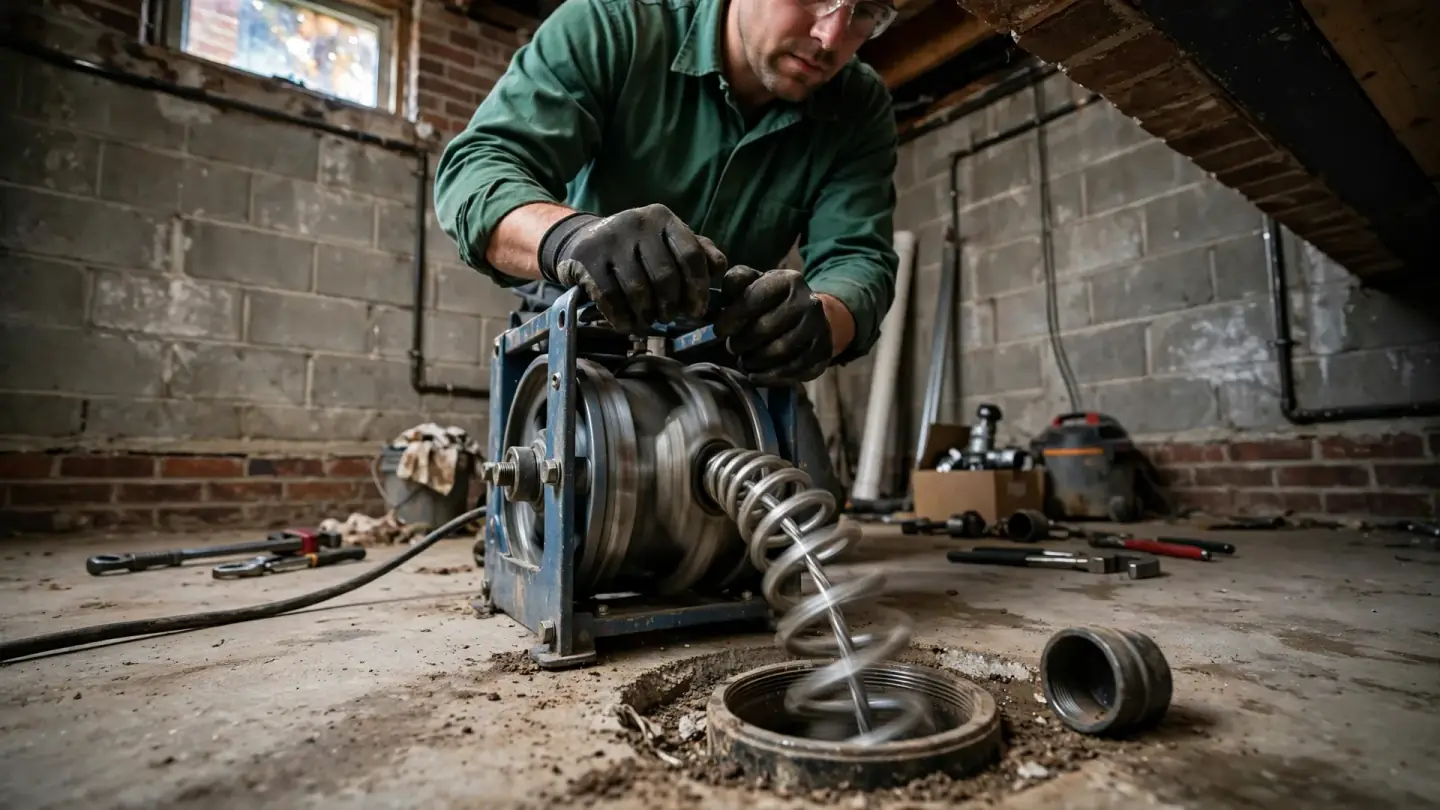
Sometimes, but only after a camera has shown the pipe's condition. Brittle clay or thinned cast iron can be damaged by high pressure, while sound pipe handles jetting well. A careful contractor inspects first and then chooses between hydro jetting and a cable machine based on what the footage shows.
Can Oregon District restaurant grease end up in a neighbouring home's drain?
Not through your private lateral, because each building connects separately to the public main. Grease from any source can still narrow the main itself, and Dayton keeps sanitary and storm sewers separate [3]. If several buildings back up together, report it to the City; nearby businesses may need commercial drain cleaning.