Guides
Drain cleaning guides: read the symptom, then decide
These guides help you work out what a drain symptom means before you call. Each starts with what you can see, explains the usual causes, lists the checks that are safe to make yourself and tells you what to mention on the call.
Sewage coming up? Stop using water first, then read the basement backup guide.
First Steps
Drying and Cleanup
Leaks and Pipes
Storms and Flooding
Fire and Smoke
Insurance and Hiring
About these guides
How these drain guides are put together
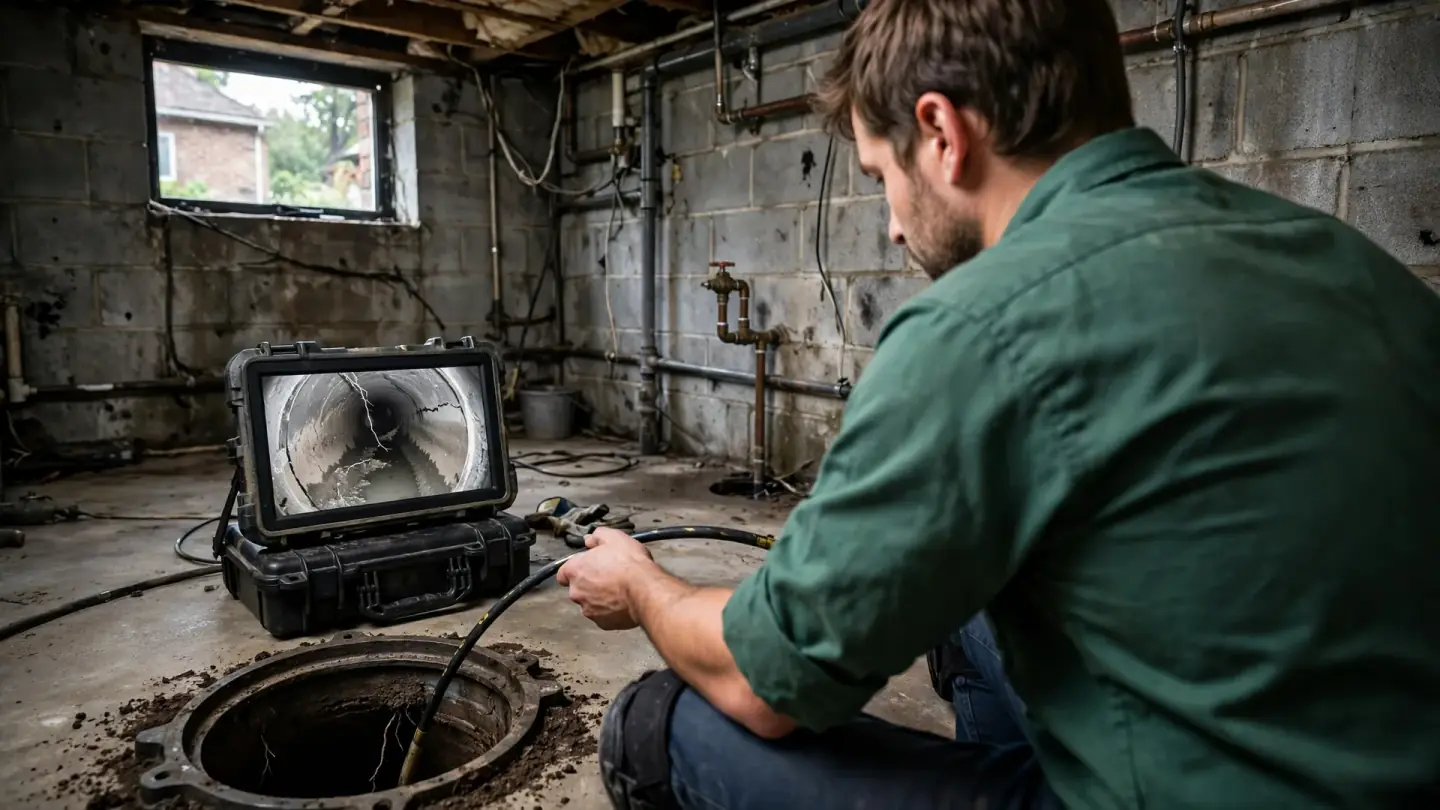
The guides are organised by symptom, because a symptom is what you have in front of you. Each one sorts the likely causes from most to least common, separates what is safe to try from what is not, and explains how a contractor confirms the cause with a cable, a jetter or a camera.
Dayton details are included where they matter: the City's separate storm and sanitary systems, the owner's responsibility for the lateral, hard groundwater in the Miami Valley and cold January nights. Factual statements are linked to numbered sources, and the editorial policy explains how pages are checked and corrected.
None of the guides are a substitute for someone looking at the actual pipe. They are meant to help you describe the problem clearly and avoid making it worse while you wait.
If you only have a minute, start with the symptom table on the homepage, then open the guide that matches. Basement backups during rain and toilets backing up with the tub are the two that most often mean the main line, so read those before using any more water.
FAQ
Questions about using these guides
Which guide should I read if water is coming up right now?
Skip the reading and deal with safety first: stop using water, keep away from any sewage and call to check emergency availability. Once things are stable, the basement backup guide or the toilet and tub guide will help you understand what happened and how to describe it.
Are the do-it-yourself checks in these guides safe to try?
They are limited to low-risk checks such as cleaning a stopper, testing other fixtures or looking for a cleanout. None involve chemicals, power tools or opening a line under pressure. If sewage is present, or a check would mean taking apart pipe you are unsure about, stop and call instead of pushing on.
How are these drain guides kept accurate for Dayton?
Local statements such as sewer ownership, permits and water softening come from official sources like the City of Dayton and are cited on each page. General plumbing explanations describe common trade practice. Pages carry a review date and are corrected when rules change; the editorial policy explains the full process.
Can a guide tell me whether my problem is serious?
A guide can point out the warning signs, such as several fixtures backing up or a recurring clog, but it cannot see inside your pipe. Only an inspection on site can confirm the cause. Use the guide to describe the symptoms clearly, then let the contractor you're connected with judge how serious it is.
Read enough? Call and describe it
Your call is connected to an independent local drain contractor who speaks with you on that call.