
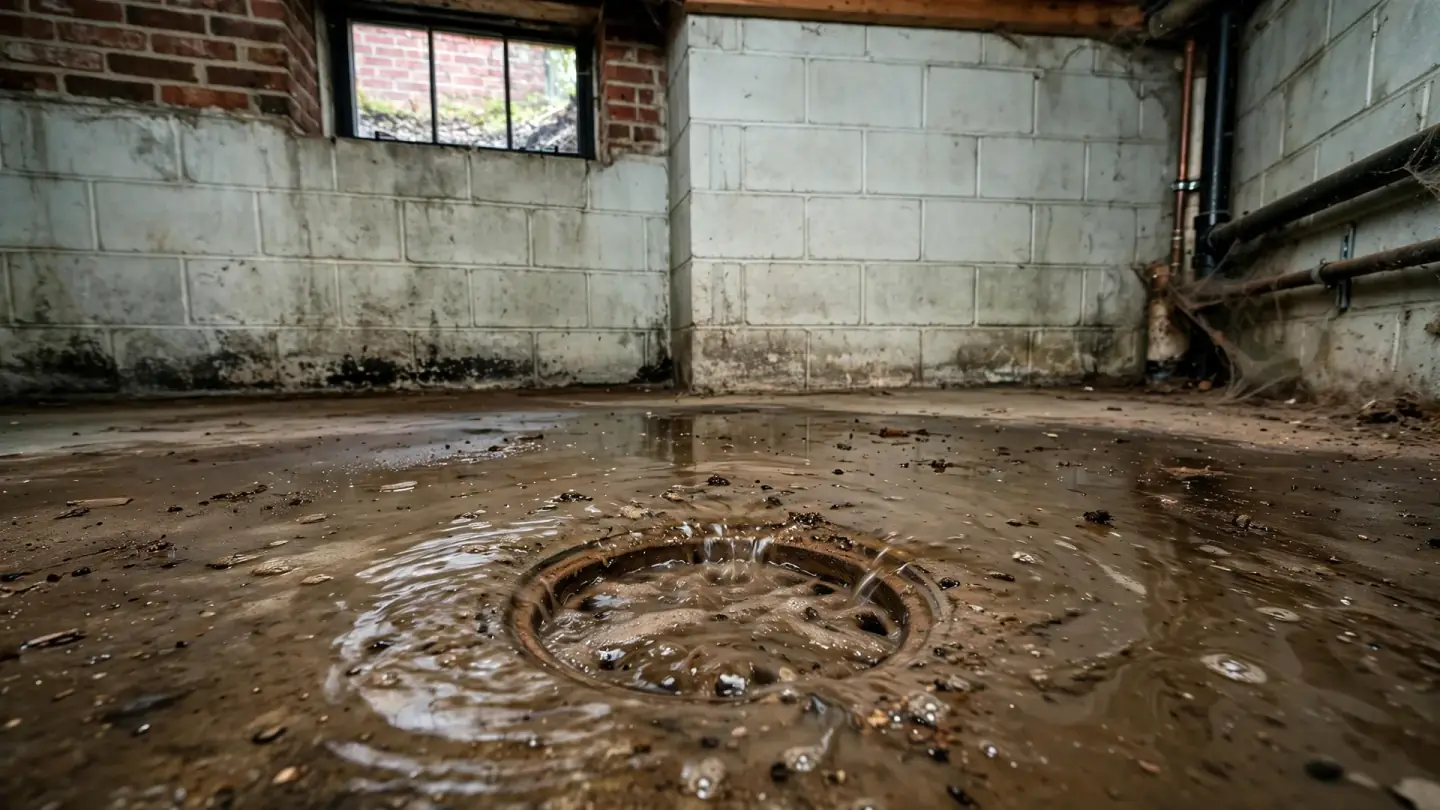
Key facts: Frozen drain lines in winter
- Dayton's January mean low is about 21.8°F at the airport, with a mean high of about 37.1°F [1].
- The city averages roughly two feet of snow per season, and the record low is −28°F (February 1899) [1].
- Grease poured down drains solidifies and blocks pipes, and cold speeds that up [2].
- A blocked or iced vent can make drains slow and traps gurgle [3].
Short answer
Why do drains stop working in a Dayton cold snap?
Drains freeze where water sits in a pipe that is exposed to outdoor cold: lines in exterior walls, crawlspaces, unheated garages and additions, and drains with a sag that holds water. Dayton's January averages a low of about 21.8°F, and cold snaps go well below that [1]. Most of a drain is empty between uses, so a full freeze needs standing water, which is why sags, traps and slow lines are the usual victims.
Ice often reveals another problem. A line that holds water long enough to freeze is usually partly blocked or badly pitched. Thawing restores flow, but the underlying issue stays until it is cleared and inspected.
What you see / likely cause / what to do
Signs a drain has iced rather than clogged
| What you see | Likely cause | What to do |
|---|---|---|
| Kitchen sink on an outside wall stops on the coldest morning | Trap arm or branch in an uninsulated wall has iced | Open the cabinet doors, warm the room, wait; call if it does not clear |
| Washer drain backs up in an unheated laundry area or garage | Standpipe or trap frozen | Gentle warm air near the trap; do not run another load |
| Garage floor drain holds slush and will not drain | Ice in the trap or a shallow line | Let it thaw naturally; avoid salt-heavy meltwater buildup |
| Whole-house drains slow after a deep freeze, roof vent capped in frost | Iced vent stack | Wait for daytime warming; have the vent checked if it persists |
| Drain stops every winter in the same spot | Sag or partial blockage holding water | Have the line cleaned and filmed after it thaws |
Clearing after the thaw
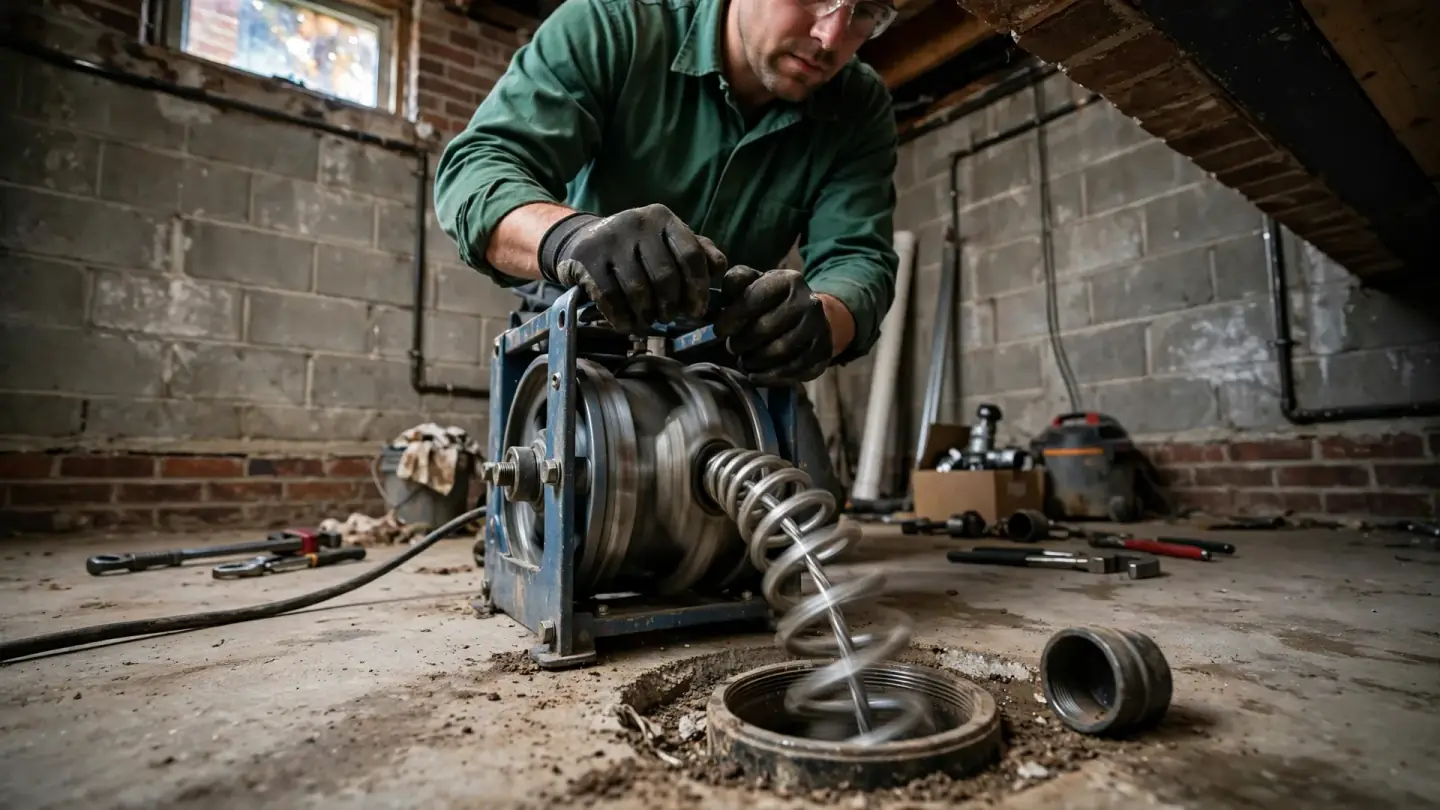
Safe checks
Thawing steps that will not crack a pipe
- Stop sending water to the frozen drain; it will only back up elsewhere.
- Open cabinet doors on outside walls and raise the room temperature.
- Use a hair dryer or a space heater placed safely back from the pipe, moving the heat along the run. Keep heaters away from anything flammable.
- Never use a torch or open flame on drain pipe; plastic pipe deforms and old joints can be damaged.
- Pour warm (not boiling) water slowly into a frozen trap only if the drain can take it without overflowing.
- Do not use chemical drain openers on a frozen line; they sit against the ice and the pipe.
Cause 1
Drains in exterior walls, crawlspaces and garages
The lines that freeze in a Dayton house are the ones closest to the cold. Kitchen sinks on outside walls, laundry standpipes in attached garages, bathrooms in older additions over crawlspaces and drains in porches converted to rooms all sit in thin, poorly insulated cavities. When the outdoor temperature drops far below freezing overnight, the water in the trap or trap arm can ice before morning.
Garage floor drains have their own issue: snowmelt carries road salt and grit into them. The trap freezes, then meltwater sits on top and freezes again. Clearing that kind of line is often floor drain cleaning after thaw rather than a winter emergency.
Cause 2
Sags, slow lines and grease that hold water
A healthy drain empties after each use. A drain with a belly, a partial clog or a heavy grease coating holds a pool, and that pool is what freezes. Cold also makes grease set harder: the City notes that grease solidifies in pipes and causes blockages [2], and a cold pipe accelerates that. If one drain freezes every winter while others do not, assume it was holding water before the cold arrived.
This is why the most useful step after a thaw is a drain camera inspection. The footage shows whether a sag, grease layer or root intrusion is creating a standing pool, and the length into the line where it sits.
Cause 3
Can a frozen roof vent make my drains slow?
The plumbing vent lets air into the drain system so water flows without pulling traps dry [3]. In a hard freeze, warm moist air rising from the stack can build frost at the roof opening until it narrows or closes. Drains then run slowly and gurgle throughout the house. Usually daytime sun clears it. Repeated icing is worth mentioning to a contractor, who can check the vent and the pipe size at the roof.
How a contractor diagnoses it
What happens on a frozen-drain visit
- 1
Locate the cold spot
The contractor asks which fixtures stopped and maps them to walls, garages or crawlspaces where pipes are exposed.
- 2
Thaw safely
Controlled heat is applied to the frozen run, or a thawing tool is used where accessible. No flame on the pipe.
- 3
Clear what is left
Once water moves, a cable or hydro jetting removes grease or debris that helped the pool form.
- 4
Film the line
A camera run records sags, offsets and build-up. The footage shows whether the line will freeze again next winter.
- 5
Recommend protection
Insulation, heat in the space, or re-piping a sagging section are discussed based on what the footage showed.
Fix options
Stopping the same drain freezing next year
If the camera shows a clean, well-pitched line, insulating the cavity or adding heat to the room is usually enough. If it shows a belly or offset holding water, re-pitching or replacing that section fixes the cause. Grease-coated lines get cleaned, and preventative drain maintenance before winter keeps them from refilling. If you notice cracked fittings or leaks after a thaw, mention them right away; ice can split traps and old joints.
More seasonal and symptom reading sits in the Dayton drain guides, including why one sink drains slowly and storm-season basement backups.
Prevention
Winter habits that protect drain lines
- Keep cabinet doors open on exterior walls during cold snaps.
- Keep garages with laundry or sinks above freezing.
- Run water through rarely used drains in cold spaces so traps stay fresh rather than stagnant.
- Keep grease out of the kitchen sink, especially in winter.
- Have a drain that froze last winter cleaned and filmed in the fall.
FAQ
Frozen drain questions
How cold does it need to get before a drain line freezes in Dayton?
It depends more on exposure than on one temperature. Drains inside heated, insulated walls rarely freeze, but lines in garages, crawlspaces or outside walls can ice up on an ordinary January night, when Dayton averages about 21.8°F [1]. Windy nights and long stretches below freezing raise the risk for those exposed runs.
Is it safe to pour boiling water down a frozen drain?
No, avoid boiling water on a frozen drain. It can soften or warp plastic pipe and can crack a cold porcelain sink or toilet bowl. Warm tap water poured slowly, where there is room, plus gentle warm air from a space heater kept at a safe distance, is the gentler way to thaw it.
Can a frozen drain pipe burst the way a water supply pipe does?
Drain lines burst less often because they are not under pressure, but ice can still split traps, fittings and thin sections. As the line thaws, look underneath sinks and along exposed runs for drips or wet spots. A small crack found early is far easier to deal with than water running into a wall.
Why does the same drain freeze every winter while others are fine?
That line is likely holding standing water that the others drain away. A sag, a partial clog or a grease coating can leave water sitting in the pipe, and standing water freezes first. Filming the line once it has thawed shows the cause so it can be corrected before the next cold snap.
Is a frozen drain line an emergency?
It can be when sewage is backing up or the only toilet in the house is affected. In those cases, call to check emergency availability with a local contractor. If it is a single sink or garage drain with no backup, warming the space slowly often solves it without a visit.
Can roof vents freeze shut and cause slow drains?
Yes, in hard cold a vent opening can frost over as warm, moist air condenses and freezes at the cap [3]. When that happens, drains may gurgle or empty slowly because air cannot enter the system. Do not climb an icy roof yourself; describe the symptoms on the call so the contractor can check it safely.
What can I do this winter to keep drains from freezing?
Keep heat reaching the rooms and crawlspaces where drains run, and close garage doors on cold nights. Insulate exposed drain pipes, run water through rarely used fixtures regularly, and avoid pouring grease that slows flow. If a line froze last year, having it filmed before winter can reveal the sag or buildup behind it.