Key facts: South Park
- South Park covers 24 blocks with more than 700 structures, mostly built from the 1880s to the early 1900s [1].
- The Perrine family platted the area in 1870, and it grew with John H. Patterson's NCR nearby [1].
- South Park became a city historic district in 1981 and was listed on the National Register in 1984 [1].
- Dayton has no set schedule for root cleaning of a lateral; it depends on condition and nearby trees [2].
The houses
What South Park houses are like
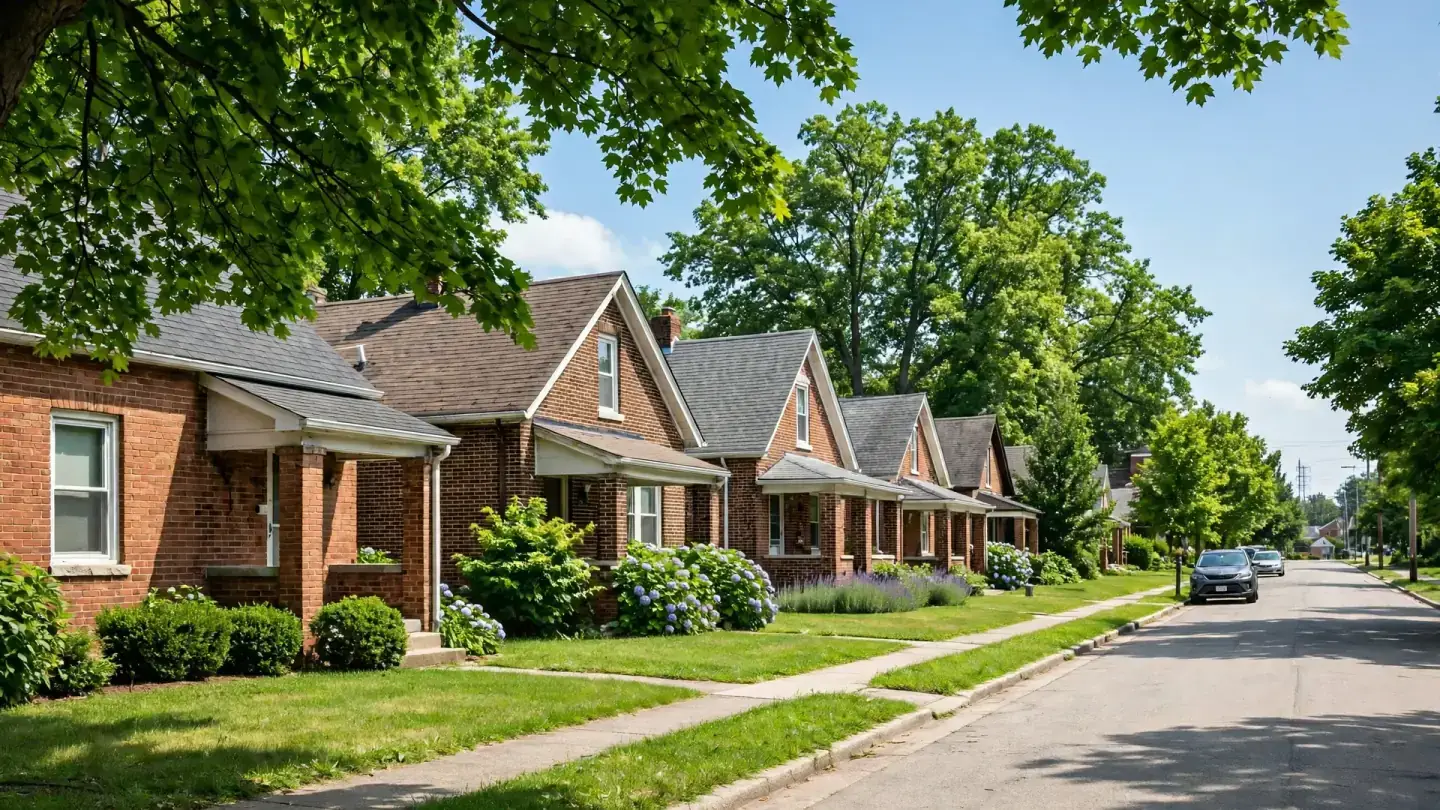
South Park lies south of downtown Dayton, on the rise above the old industrial corridor. The Perrine family platted it in 1870, and much of its growth came with John H. Patterson and the National Cash Register company nearby, which drew workers and managers alike [1]. The result is a mix: grand Italianate, Queen Anne and Second Empire houses on some blocks, and rows of smaller cottages on others [1].
The district covers 24 blocks and more than 700 structures, most built between the 1880s and the early 1900s [1]. The City of Dayton named it a historic district in 1981, and it joined the National Register in 1984 [1]. Since then a lot of houses have been restored, some returned to single-family use and others kept as two or three flats.
Those dates tell a drain contractor a lot before they arrive. Houses of this era usually got indoor plumbing in stages. Many have a cast-iron soil stack in the middle of the house, a basement drain line running to the front, and a clay lateral out to the main in the street. Bathrooms added in the 1920s, 1950s or during a recent restoration may tie in at different points, sometimes with transitions that are not ideal.
Lots are deeper than in the Oregon District but still narrow, with trees along the parkways and in the back yards. Many houses have basements with stone or brick walls, a floor drain near the laundry and a few low spots that collect water in a hard rain.
Common calls
What drain contractors see most in South Park
Root masses under parkway trees
Century-old clay joints near street trees are the classic South Park problem. Roots fill the pipe slowly, then a heavy laundry day tips it into a backup.
Floor drains near the laundry
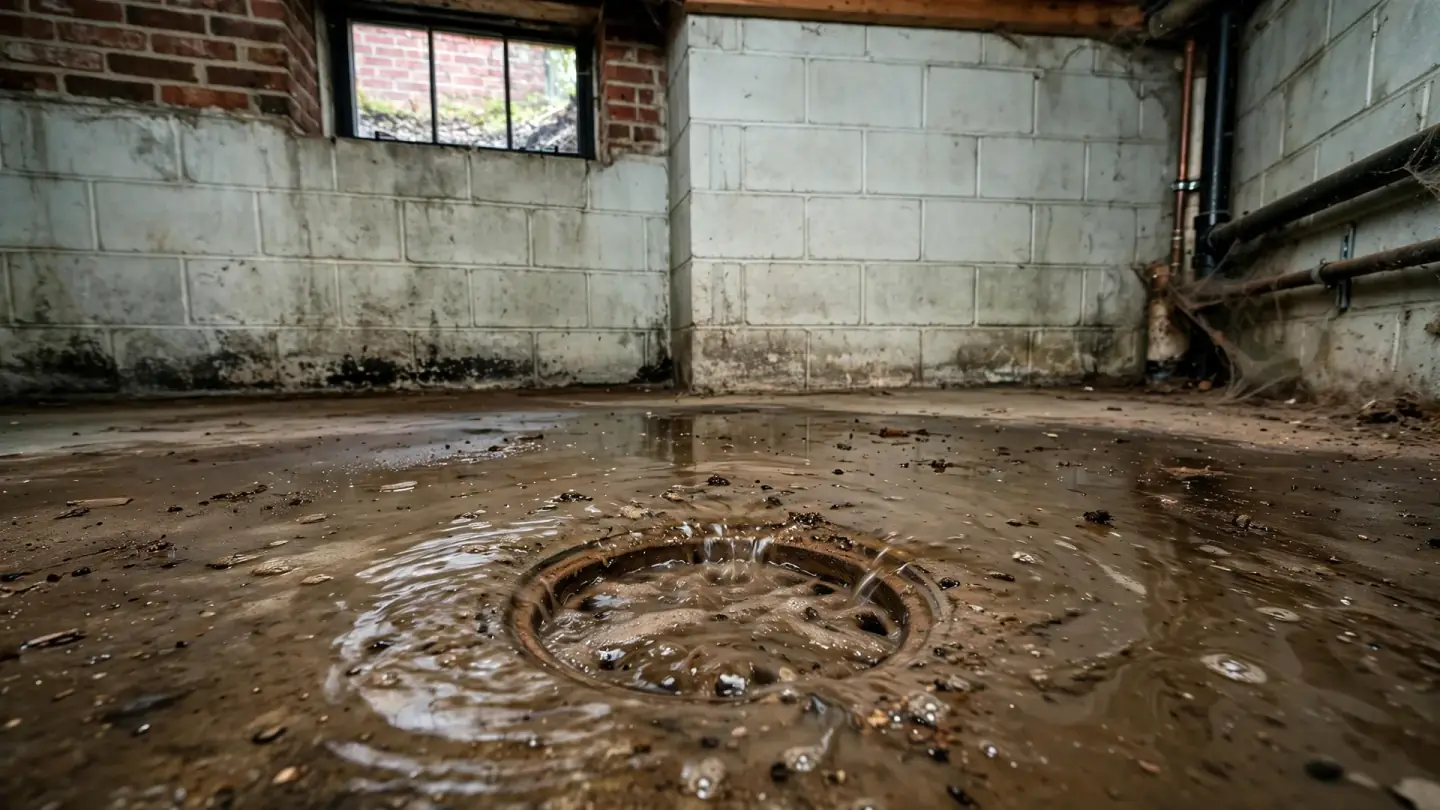
Lint and soap gather where the washer empties. When the main slows, the basement floor drain is the first place water appears.
Restoration tie-ins
New bathrooms tied into old cast iron can leave awkward joints and flat runs. Those spots catch debris and show up again and again on camera.
Shared drains in flats
Houses kept as two or three units often share one lateral, so one household's habits can affect everyone downstream.
Trees and clay
Why do roots keep returning to South Park sewer lines?
South Park's tree cover is part of its appeal, and it is also the main reason laterals here clog. Vitrified clay pipe was laid in short lengths with bell joints. Over decades, joints shift and open slightly, and tree roots follow the moisture and nutrients into the pipe. Inside, they branch into a mat that catches paper and grease.
The City of Dayton says there is no fixed schedule for cleaning roots out of a lateral; it depends on the condition of the line and on the trees and shrubs nearby [2]. That is a fair description of practice. Some lines run for years between clearings; others need attention every year or two. The way to know is to clear the line and then put a camera through it.
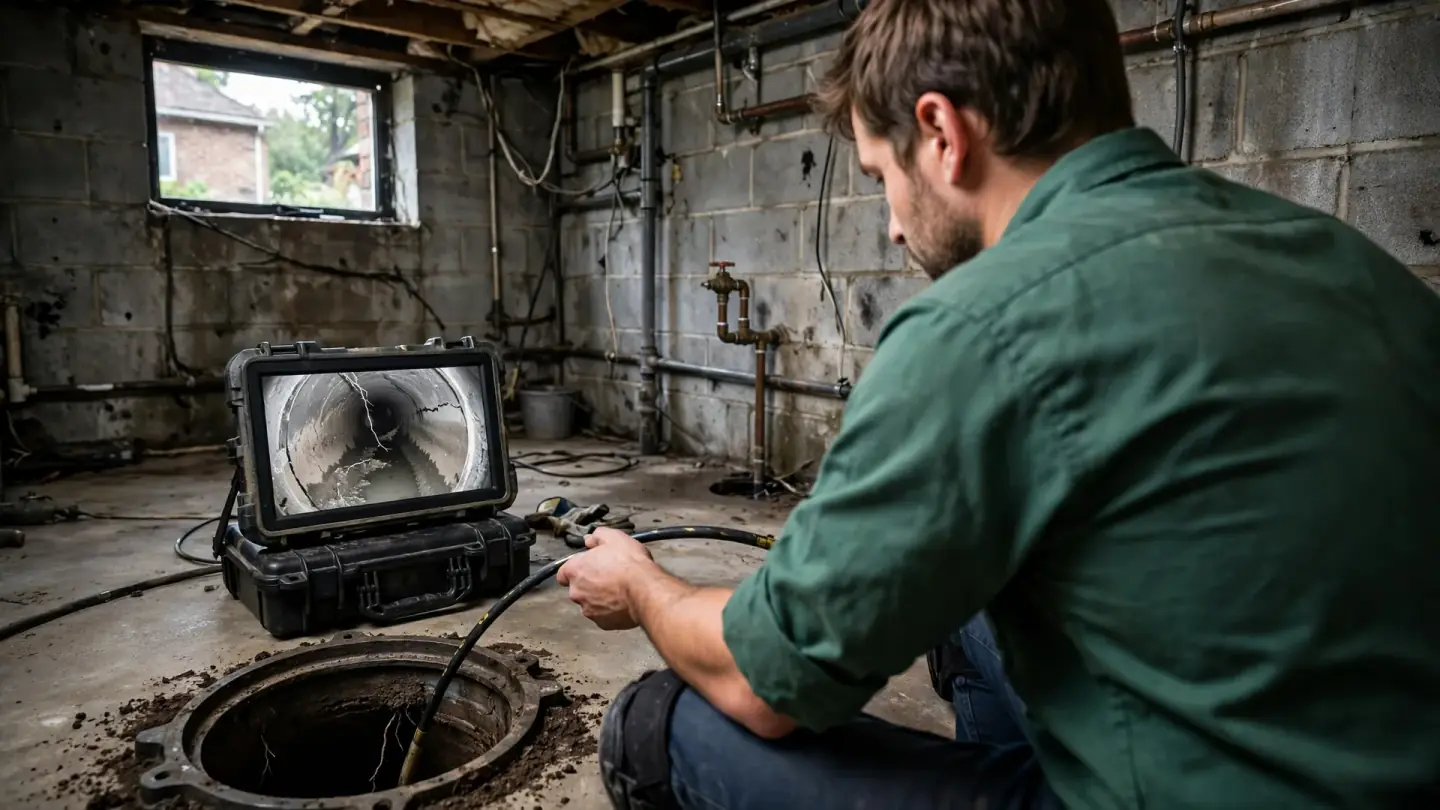
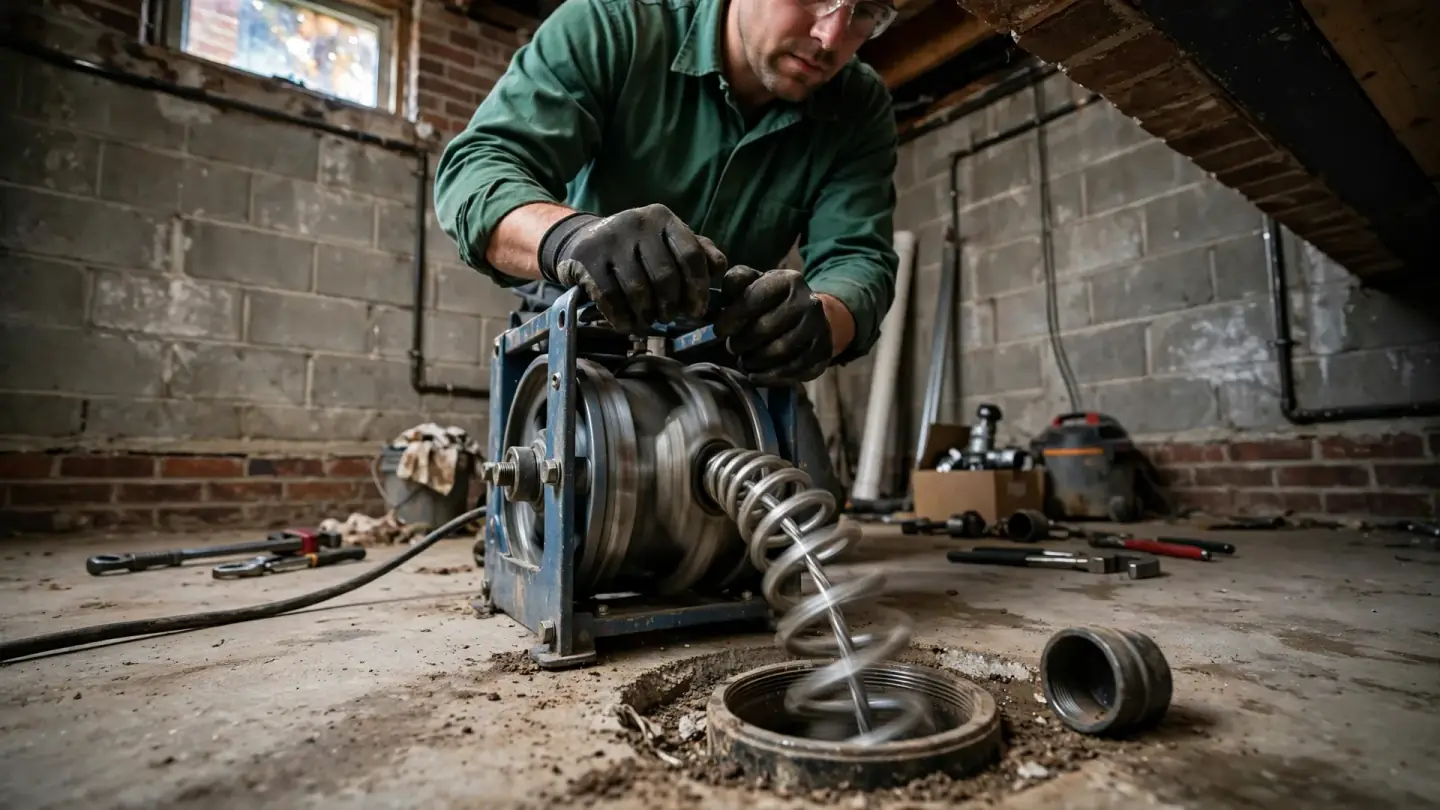
Clearing roots with a cutting head on a drain machine restores flow, but it does not seal the joint. If the camera shows many entry points, or a joint that has offset enough to catch debris, ask the contractor you're connected with to explain the longer-term choices. Main sewer line cleaning covers what clearing involves, and hydro jetting explains when water jetting is used to scour a line after the roots are cut.
Avoid planting new trees directly over the lateral if you know where it runs. The City does not locate laterals, but its Plumbing Inspection office may have a record, and a plumber can trace one with a probe [2].
How South Park compares with other historic Dayton neighbourhoods
South Park and the Oregon District share a lot: both are historic districts close to downtown, both follow Dayton's sewer rules, and both have old laterals under brick sidewalks. The difference is scale and setting. South Park's 24 blocks hold more than 700 structures [1], many with front yards and parkway trees, so roots are a steadier problem than on the Oregon District's tighter lots. Further east, Belmont is younger, with interwar basements, and the floor drain tends to be the first warning.
Practical preparation is the same in every case. Clear a path to the basement and any cleanout, note when the trouble started and which fixtures are affected, and mention recent renovation work or heavy storms. For roots that keep returning, contractors often follow mechanical clearing with hydro jetting where the pipe is sound enough. To see the other communities this line covers, visit the areas overview. If water is rising after a storm, the basement backup guide explains safe first steps.
Restored houses
Should South Park renovations include a sewer camera check?
Restoring a South Park house often means adding bathrooms, a larger kitchen or a second-floor laundry. Every new fixture adds flow to a lateral that was sized and laid long ago. If the old line is partly blocked or sagging, the extra load can turn a minor issue into regular backups.
Before a major renovation, it makes sense to have the lateral inspected on camera. If it is sound, you can plan with confidence. If it has heavy root intrusion or a collapse, that is better found before new floors and finishes go in.
Watch the transitions. Where a new plastic line joins an old cast-iron hub, the joint should be smooth and properly supported. A poorly fitted transition can leave a lip that collects hair and paper. A camera run will show these, and a contractor can tell you whether they matter.
Also check that the basement floor drain still has a working trap and a water seal. The City notes that a sewer smell in the basement is usually a dry trap [2]. In houses that sit empty during renovation, traps dry out quickly; pour water in them every few weeks.
Rain and cold
Storms, winter and South Park basements
Dayton runs separate sanitary and storm sewers. Storm water goes to rivers and streams; sanitary waste goes to the treatment plant, and house laterals are not supposed to connect to catch basins [2]. Even so, heavy rain can push water into an old lateral through cracks and open joints, and the City lists overtaxed mains, downspouts, foundation drains and sump pumps among the causes of basement flooding in storms [2].
If a South Park basement takes water through the floor drain during heavy rain, note whether it is clear rainwater or sewage, and whether neighbours have the same problem. Both clues help sort a main-line issue from a private one. The City's Sewer Maintenance staff can help determine which [2]. The basement drain backing up after rain guide walks through the checks.
Winter is the other test. Dayton's January lows average around 22°F [4]. Old houses often have drains that run along exterior walls or under a rear porch addition. A partly frozen drain behaves like a clog. Keep basements above freezing and avoid running very hot water into a stopped line.
Water hardness is less of an issue on City water, which Dayton softens with lime at its treatment plants [3]. Grease and soap still build up in rough cast iron, which is why kitchen lines in these houses benefit from periodic preventative drain maintenance.
House types
Big Victorians versus worker cottages in South Park
The larger South Park houses, Italianate and Queen Anne in style [1], tend to have more bathrooms, longer horizontal runs in the basement and a lateral that crosses a deeper front yard. More fixtures and longer runs mean more places for a clog to form, and a main-line problem in one of these houses can show up in several rooms at once. When a toilet and tub back up together, the blockage is usually below where those branches meet; the toilet and tub backing up together guide explains why.
The smaller cottages are simpler: often one bathroom, a kitchen at the back and a short run to the street. Fewer fixtures make problems easier to trace, but many cottages have shallow or partial basements and crawl areas under rear additions. Pipes in those spaces are colder in winter and harder to reach, and access may mean crawling rather than standing.
In both types, the first questions a contractor will ask are the same: which fixtures are slow, which are fine, and where water appears first. A single slow fixture points to a branch line; several slow fixtures, or water at the floor drain, point to the main. Answering those questions on the call lets the contractor bring the right machine and cable size, which matters when the access is a narrow cellar stair.
Permits and who to call
South Park permits and the Dayton sewer
South Park is inside the City of Dayton; these rules come from the City's sewer FAQ and Ohio code.
- Upkeep of the house's own sewer connection, out to where it joins the street sewer, falls to the owner [2].
- The City's Division of Sewer Maintenance maintains and fixes the public main [2].
- A broken lateral needs a licensed plumber to pull a permit; private-side repairs are done by the plumber [2].
- City crews do the street-side section, and the property owner is responsible for that work through the plumber [2].
- Water splashing from a toilet or gurgling can happen while the City jets the main in your street [2].
- Call Ohio811 two working days before any digging; green paint marks sewer lines [2].
- Ohio's plumbing rule leaves the building sewer to local sewer authorities and Ohio EPA [5].
Planning the visit
Getting ready for a South Park drain visit
Most South Park houses have street parking out front, and many have alley access at the rear. Mention the alley if you have one, especially if the basement has an outside entrance or a bulkhead door at the back. Carrying a machine down a narrow interior stair past restored woodwork is something both you and the contractor would rather avoid.
Find the cleanout if you can. In these houses it is usually a cast-iron fitting near the front basement wall where the main exits, sometimes hidden behind shelves. If the house has been finished, look behind access panels. If there is no cleanout, the contractor may suggest adding one as part of a repair.
Tell the contractor about trees near the front of the house, any past root clearings and any camera reports you have. That history shapes what equipment they bring and how they approach the line.
If the house is divided, give the other households notice. The line should not be used while it is opened, and a lower unit may need to be accessible.
FAQ
South Park drain cleaning questions
Why do roots keep growing back into my South Park sewer lateral?
Most South Park laterals are old clay pipe laid in short sections, and roots enter through the joints. Houses here date mostly from the 1880s to the early 1900s [1], so the pipe has shared ground with trees for a very long time. Clearing restores flow, but the gaps remain, so roots return.
Is the City working on the main if my South Park toilet suddenly gurgles?
It may be; Dayton notes that jetting the public main can cause gurgling or water splashing from toilets [2]. If a crew is in your street, wait and see whether it stops. If there is no crew, a partly blocked lateral or vent is the more likely cause and worth a call.
Should I scope the drain line before renovating a South Park Victorian?
Yes, a camera inspection before finishes go in is a smart step. New bathrooms and kitchens send more water through a line that may be over a century old. Footage shows roots, sags and cracks while it is still easy to plan repairs. See drain camera inspection for what the visit involves.
How do I tell whether a South Park backup is in my line or the City main?
Watch where water appears and whether neighbours are affected. A backup shared by several houses suggests the main, which Dayton's Sewer Maintenance division handles [2]. If only your house backs up, especially when you run water, your lateral is the likely culprit, and a contractor's camera can confirm it.
Do South Park historic district rules apply to sewer repairs?
They matter mainly when a repair changes something visible from the street. South Park became a city historic district in 1981 [1], and routine interior clearing does not affect its character. If an excavation would disturb the front yard, walkway or exterior masonry, check with the City before choosing that approach.
Who is responsible when the street-side section of a South Park lateral breaks?
The property owner is. Dayton crews repair the part of the lateral in the street right-of-way, but the owner is responsible for that work, which a licensed plumber arranges along with the permit [2]. The private section on your own lot is repaired directly by the plumber you hire.
Do worker cottages in South Park have different drain problems than the big Victorians?
Often, yes. Small cottages typically have one bathroom and a short lateral, so a single clog stops everything. Larger Italianate and Queen Anne houses may have several stacks, added bathrooms and long runs through old basements. Telling the contractor your house type helps them plan where to access the line.