
Key facts: How often to clean drains
- Dayton says there is no set schedule for root cleaning a lateral; it depends on pipe condition and nearby trees and shrubs [1].
- Grease poured down drains solidifies in service lines and mains; the City advises letting it cool and putting it in the trash [1].
- Enzymatic cleaners suit regular maintenance and minor clogs but may not clear severe blockages [2].
- A trap holds water to keep sewer gas out, and an unused trap can dry out [1][3].
Short answer
Is there a right interval for drain cleaning?
Not a single one. A healthy drain in a house where people use strainers and keep grease out may go years without professional work. A clay lateral under a big maple may need cleaning every year or two. The City of Dayton puts it plainly for root cleaning: there is no set schedule, and it depends on the condition of the lateral and whether trees or shrubs nearby are causing root problems [1].
So the useful approach is a light household routine for every drain, plus a professional cycle only for lines that have already shown a pattern. Camera footage, not guesswork, sets that cycle.
What you see / likely cause / what to do
Matching a drain's history to a cleaning routine
| What you see | Likely cause | What to do |
|---|---|---|
| Shower slows every few months | Hair and soap scum in the trap | Empty the hair catcher weekly; clear the trap when it slows |
| Kitchen sink slows each winter | Grease building in the branch | Keep grease out; kitchen drain cleaning when it slows |
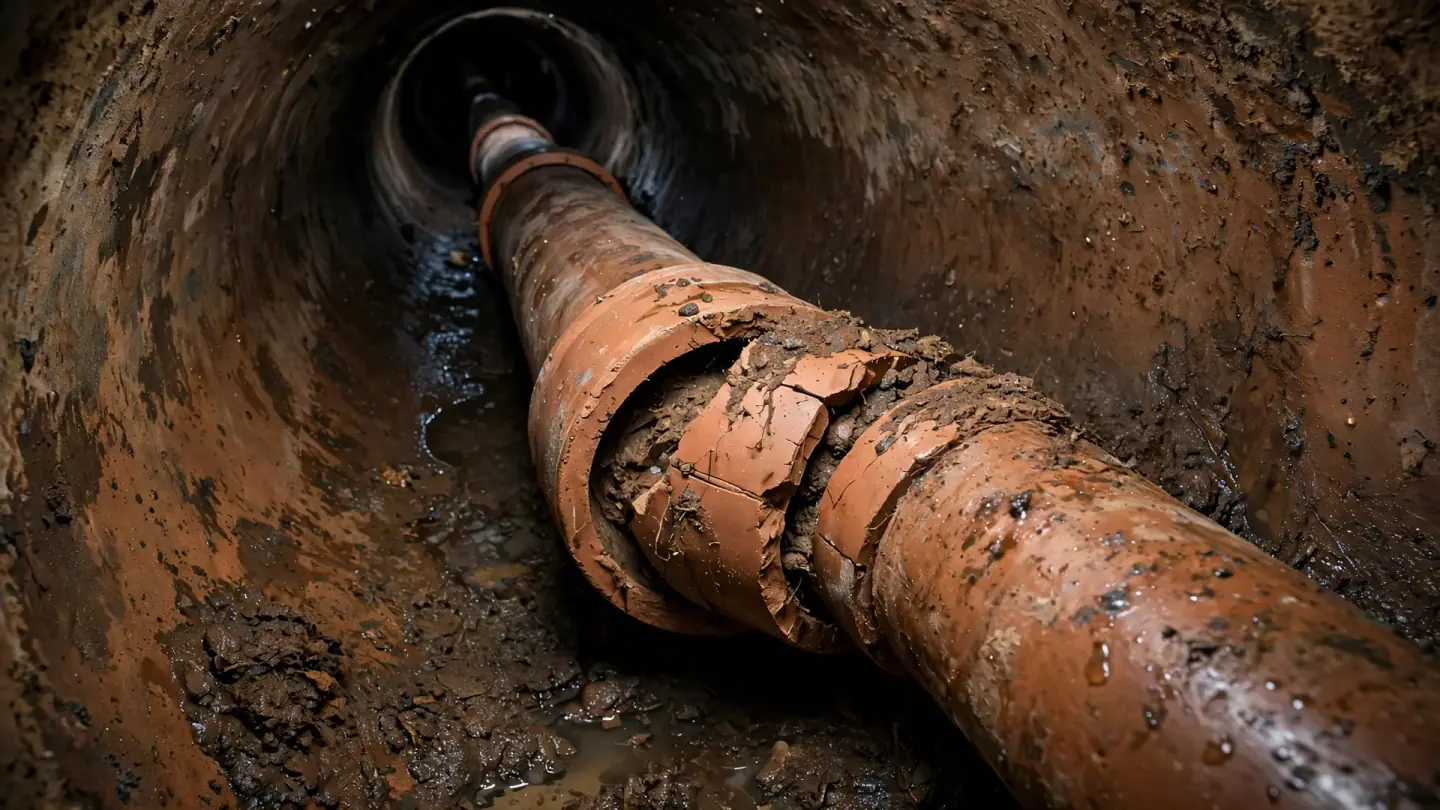
| Main line backs up about yearly | Roots at clay joints | Schedule root maintenance before the usual backup |
| Floor drain smells in summer | Dry trap | Pour water in monthly [1] |
| No problems for years | Healthy lines | Keep the household routine; no professional schedule needed |
Roots return on a cycle
Safe checks
A simple household drain routine
- Weekly: empty hair catchers in showers and tubs and rinse kitchen strainers.
- Monthly: pour a bucket of water into basement floor drains and any rarely used fixtures to keep traps filled [1].
- Monthly: run a full sink of hot water through bathroom sinks to move soap residue along.
- Seasonally: test the basement floor drain and laundry tub by filling and draining them while you watch.
- Always: let cooking grease cool and put it in the trash, as the City of Dayton advises [1].
Deep dive
Which lines actually need a professional schedule?
Three kinds of line tend to justify regular professional cleaning. First, clay or older laterals with root intrusion: roots that are cut grow back, and if they caused a backup once, they will again. Second, kitchen lines in busy households or small food businesses, where grease builds steadily. Third, any line with a known defect such as a sag or offset joint that collects debris but is not yet worth repairing.
For everything else, professional cleaning is a response to symptoms rather than a habit. Regular snaking of a healthy drain does not make it healthier.
Deep dive
Setting the interval for a root-prone Dayton lateral
Many older Dayton neighbourhoods have clay laterals. Clay pipe is long-lived and resists sewage chemistry, but it comes in shorter lengths with more joints than plastic [4], and joints are where roots find their way in. The practical method is to note how long it took to back up the first time, then schedule cleaning a comfortable margin before that point. Footage after each cleaning shows whether roots are coming back faster or slower.
If the interval keeps shrinking, or the camera shows cracking, that is a repair conversation rather than a cleaning one. The roots in clay laterals guide covers the options.
Deep dive
Do monthly drain treatments help?
Enzyme and bacterial products can be part of a routine. They break down grease, hair and food into smaller pieces and suit regular maintenance and minor clogs, though they may not clear severe blockages [2]. Harsh chemical openers are a poor routine choice: they are corrosive, and excessive use can damage pipes [2]. The enzyme vs chemical guide compares them in detail.
How a contractor diagnoses it
How a contractor sets a maintenance interval
- 1
Review the history
When did the line back up, how often, and what came out? The pattern matters more than any rule of thumb.
- 2
Clear the line
The line is cabled or jetted so the camera can see the pipe wall, not the blockage.
- 3
Film after cleaning
A drain camera inspection records roots, grease, sags and cracks with distances from the access point.
- 4
Compare with last time
If earlier footage exists, comparing the two shows how quickly the problem returns.
- 5
Suggest a cycle or a repair
A stable line gets a cleaning interval; a worsening one gets a repair discussion.
Fix options
When a schedule stops being the answer
Regular cleaning manages a problem; it does not remove its cause. If roots return within months, if the camera shows broken or offset pipe, or if a sag holds standing water, repair usually makes more sense than cleaning ever more often. Hydro jetting can stretch the interval on grease-heavy lines by scouring the walls rather than just opening a path.
Prevention
Habits that lengthen the time between cleanings
- Keep grease, coffee grounds and wipes out of every drain.
- Use strainers in kitchen, tub and shower drains.
- Use mesh lint catchers on washer discharge hoses.
- Keep planting large trees away from the line of the sewer lateral.
- Write down every backup date so the next contractor can see the pattern.
FAQ
Drain cleaning schedule questions
How often should I have my main sewer line cleaned in Dayton?
Only as often as its history requires. The City of Dayton says there is no set schedule for root cleaning, because it depends on the lateral's condition and nearby trees and shrubs [1]. A line that backed up after about a year should be cleaned a little before that.
Is it bad to have drains snaked every year if nothing is wrong?
It is usually unnecessary. A healthy drain does not need routine snaking, and repeated cabling of old pipe adds wear for no benefit. Keep a simple household routine and call when a drain shows signs of slowing or has a known repeat problem.
How often should I pour water down a basement floor drain?
Monthly is a sensible habit, and more often in dry, warm weather. The water keeps the trap sealed so sewer gas stays out. The City of Dayton advises pouring water into trapped fixtures when a basement smells of sewer [1].
Do restaurants need their drains cleaned more often than homes?
Usually yes, because commercial kitchens send far more grease down their lines. The City of Dayton expects restaurants to install and maintain grease traps [1]. The interval for line cleaning depends on volume and menu, so it is set from the kitchen's own history.
What are signs a drain needs cleaning before it clogs?
Watch for water draining slower than usual, gurgling after use, a lingering smell, or water rising briefly in a nearby fixture. Any of these mean the bore is narrowing. Acting at that stage is simpler than dealing with a full backup.
Can I use enzyme drain cleaner every month?
Yes, enzyme products are designed for regular maintenance and minor build-up [2]. Follow the label and give them time to work. They will not clear a severe blockage or roots, so a drain that is already backing up needs mechanical cleaning.