
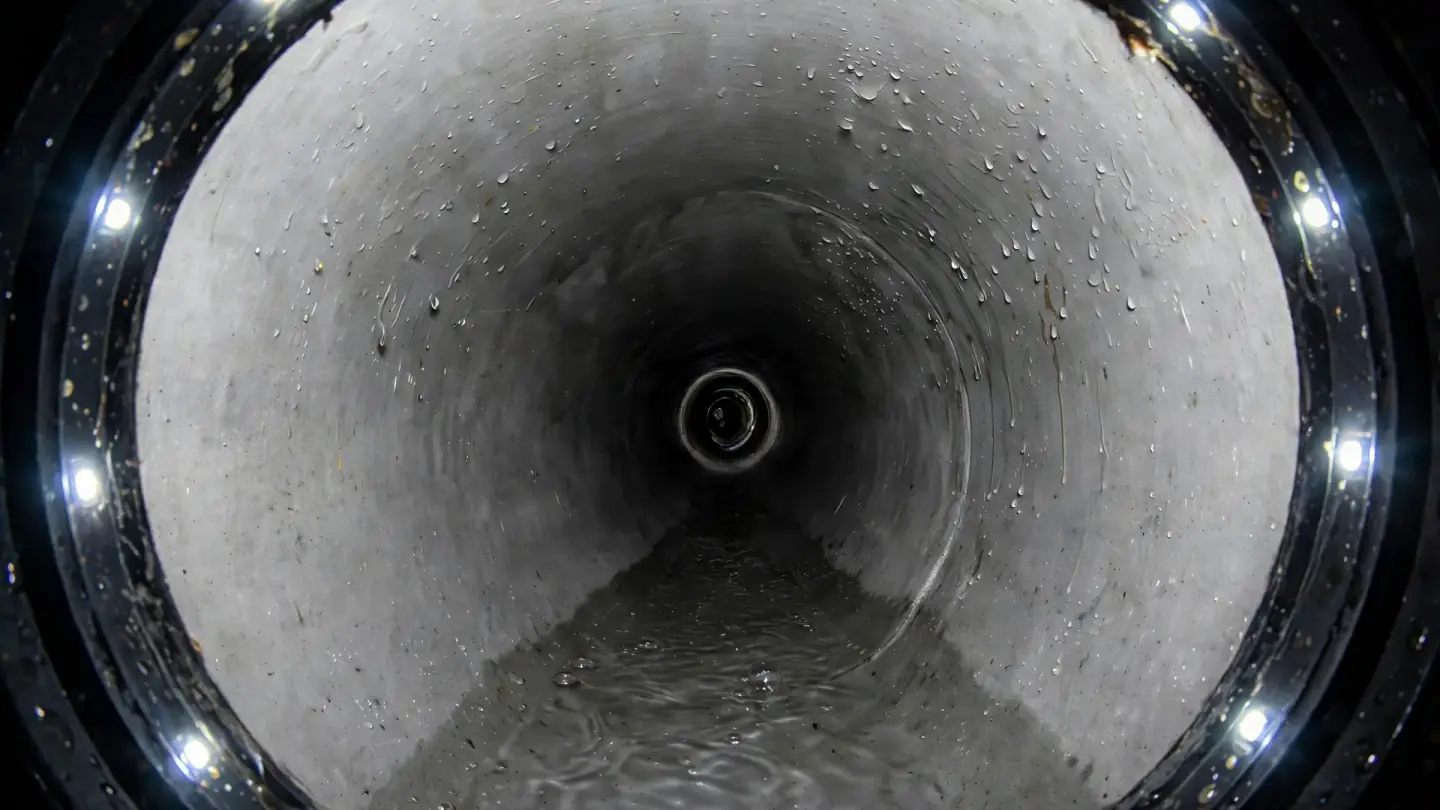
Key facts: Preventing rain sewer backups
- Dayton's storm and sanitary sewers are separate systems [1].
- The City lists downspouts, foundation drains, sump pumps and an overtaxed main as causes of heavy-rain basement flooding [1].
- Stormwater enters sanitary sewers through damage, improper connections and flooding; about a quarter of US overflows happen in heavy rain [2].
- Ohio's plumbing rule calls for backwater valves where the Ohio EPA or the local sewer purveyor requires them [3].
- Montgomery County invested in sewer modernisation meant to reduce sanitary sewer overflows in the southern county [4].
Short answer
Can you really stop rain from backing up your sewer?
You cannot control the public main, but you can control most of what happens on your property. The City of Dayton's own list of causes for basement flooding in heavy rain includes an overtaxed or blocked main, but also downspouts discharging near the house, foundation or perimeter drain problems and sump pumps [1]. Those internal causes are things an owner can fix.
The plan has three parts: stop rainwater from getting into your sanitary line, keep the lateral clear and sound so it drains as fast as it can, and consider a backwater valve where the rules allow it. Then have a simple routine for storm nights.
What you see / likely cause / what to do
Storm backup risks around a Dayton house
| What you see | Likely cause | What to do |
|---|---|---|
| Downspouts disappear into the ground near the foundation | Rainwater may reach foundation drains or old connections | Extend downspouts above ground away from the house |
| Sump hose ends in a floor drain or laundry tub | Groundwater pumped into the sanitary line | Reroute the discharge outdoors |
| Floor drain backs up only in storms | Lateral cracks letting groundwater in, or main overloaded | Film the lateral; see the storm backup page |
| Lateral has a root history | Narrowed pipe drains slower under load | Clear it before storm season |
| Whole street floods together | Public main overloaded | Report to the sewer provider |
A clear lateral drains faster
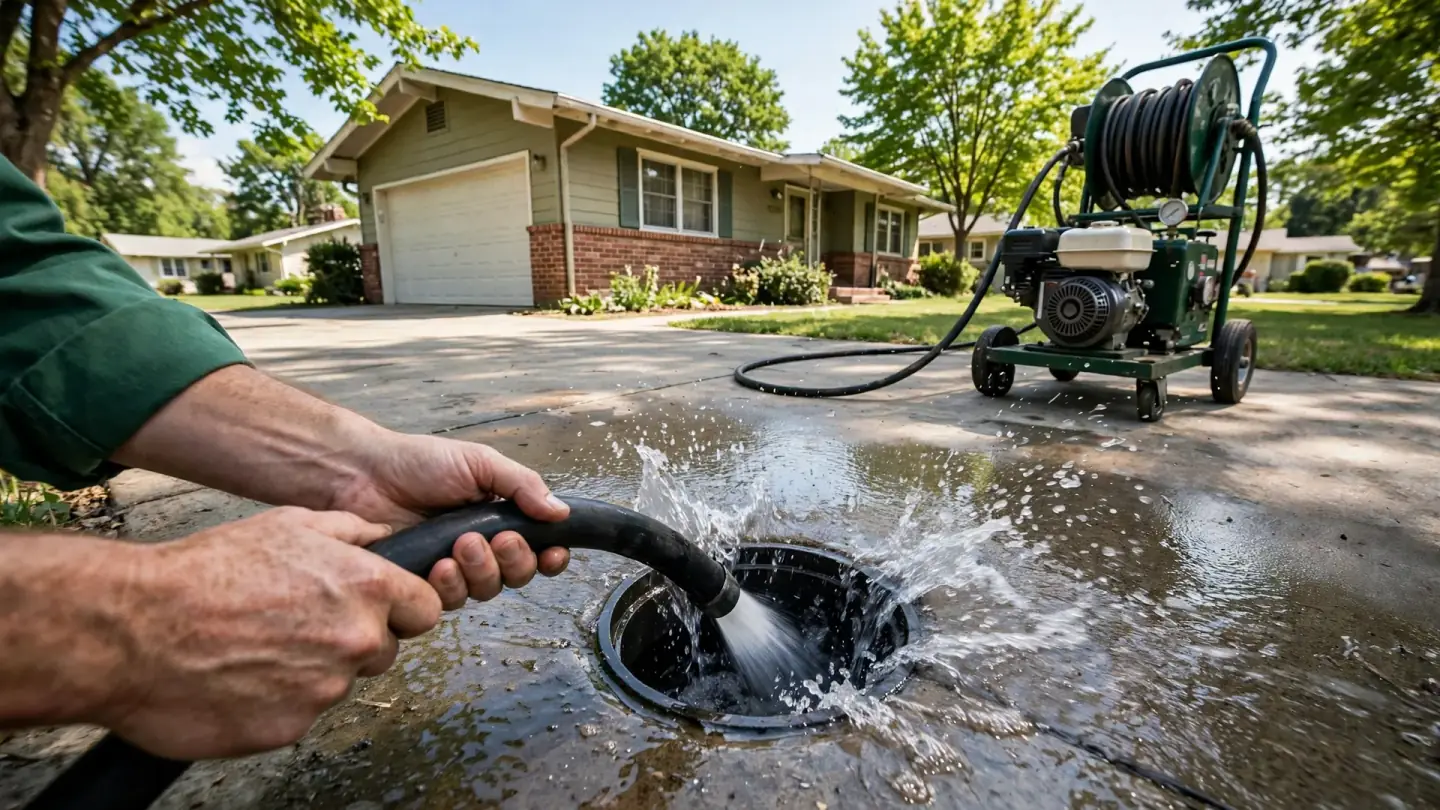
Safe checks
Dry-weather checks before storm season
- Walk around the house and follow every downspout to where it discharges.
- Follow the sump discharge pipe from the pit to its outlet.
- Find the cleanout and make sure it is accessible and capped.
- Pour water into the basement floor drain to keep its trap filled [1].
- Clear leaves from street catch basins near your house if safe, or report blocked ones to the City.
Deep dive
How do downspouts and sump pumps cause sewer backups?
Stormwater gets into sanitary sewers through damage, improper connections and flooding, and when the combined flow exceeds what the pipes can carry, sewage backs up [2]. On a house, the common connections are downspouts piped underground into old drain tile, foundation drains tied to the building drain, and sump pumps discharging into a floor drain or laundry tub.
Each one adds clean rainwater to a pipe meant for household wastewater, and each is on the City's list of internal causes [1]. Disconnecting them is usually the single most effective step an owner can take, and it is done in dry weather.
Deep dive
Why a sound, clear lateral matters in storms
A lateral narrowed by roots or grease drains slower at the moment it most needs to drain fast. Cracked clay joints also let groundwater seep in when the soil is saturated. Clearing the line and filming it before storm season answers both questions: is it open, and is it letting water in? Older neighbourhoods such as Belmont and the Oregon District often have clay laterals where this matters most. The roots in clay laterals guide explains the repair choices.
Deep dive
Backwater valves: when they fit and who decides
A backwater valve lets wastewater leave the house but closes when water tries to flow back in. Ohio adopts the plumbing code's sanitary drainage chapter with changes, and backwater valves are installed where the Ohio EPA or the local sewer purveyor requires them [3]. Talk to the contractor and your sewer provider about whether one suits your home, where it should go, and whether a permit is needed.
Valves are not fit-and-forget. Debris can hold them open, and while one is closed during a storm, water used in the house has nowhere to go. Regular checks and stopping water use during a surge are part of owning one.
Deep dive
The public side: Dayton and the suburbs
Inside Dayton, the Division of Sewer Maintenance looks after the main and can help work out whether a rain backup comes from the main or from inside the property [1]. In the southern county, Montgomery County has invested in sewer modernisation intended to reduce sanitary sewer overflows in areas including Kettering [4]. If the whole street floods in the same storm, report it to whichever provider serves you.
How a contractor diagnoses it
How a contractor assesses storm backup risk
- 1
Map the water paths
Downspouts, sump discharge and foundation drains are traced to see where each one ends.
- 2
Clear the lateral
Roots and grease are cut or jetted so the line drains at full capacity.
- 3
Film for leaks
A sewer line inspection looks for cracked joints and unexpected connections.
- 4
Check the low openings
The floor drain, basement shower and basement toilet are noted as the points water would rise first.
- 5
Recommend fixes in order
Disconnections first, then pipe repairs, then a valve discussion if the rules allow it.
Prevention
Storm-night routine for a backup-prone house
- Watch the forecast; hold off on laundry and long showers while a downpour is peaking.
- Keep valuables, boxes and electronics off the basement floor near the floor drain.
- Check that the sump pump is running and its discharge is flowing outdoors.
- If you have a backwater valve, avoid using water while it is likely closed.
- Note when any water appears so you can describe it later.
What to tell the contractor
Details that help plan storm backup prevention
- Dates of past backups and how heavy the rain was.
- Whether neighbours flooded at the same time.
- Where downspouts and the sump discharge end.
- Any past root cleaning or camera footage of the lateral.
- Which basement openings water came out of.
FAQ
Heavy rain sewer backup prevention questions
What is the best way to stop sewage backing up into my basement when it rains?
Start by disconnecting rainwater from your sanitary line: downspouts, sump discharge and foundation drains. Then clear and film the lateral. The City of Dayton lists these internal sources alongside an overloaded main as causes of heavy-rain flooding [1].
Do I need a permit to install a backwater valve in Ohio?
Usually plumbing work on the drain system needs a permit, and Ohio's rule ties backwater valves to Ohio EPA or local sewer purveyor requirements [3]. Ask your contractor and your city or county building department before work starts.
Should my downspouts connect to the sewer in Dayton?
No, rainwater does not belong in the sanitary sewer. Dayton's storm and sanitary systems are separate [1], and downspouts discharging near the house are on the City's list of basement flooding causes. Extend them to drain well away from the foundation.
Can tree roots make storm backups worse?
Yes. Roots narrow the lateral, so it drains slower just when flow is highest, and the cracked joints they enter through can let groundwater in. Clearing roots before storm season and filming the line reduces both problems.
Does a sump pump prevent sewer backups?
No, a sump pump handles groundwater, not sewage. It can even cause backups if its discharge is piped into the sanitary system. Keep its discharge outdoors and think of it as protection against seepage, not against a sewer surge.
What should I do if my street floods every big storm?
Report it to your sewer provider: the City of Dayton's Division of Sewer Maintenance inside the city, or the county provider outside it. Meanwhile, make your own house as tight as possible so the street's problem does not become your basement's.